
Quick-Glance Highlights (TL;DR)
- A club-branded paddle is “walking signage” that shows up on-court, in photos, and in social posts—without buying ads.
- Matching gear increases belonging and team identity, which correlates with stronger engagement and spending behaviors. (PMC)
- Custom paddles can fund courts, events, or junior programs with a simple margin model and pre-orders.
- They simplify league ops: fast recognition for captains, easier photo tagging, cleaner event branding.
- You don’t need huge quantities—start with a limited “Founding Drop” and expand after proof.
Executive Summary
Pickleball clubs are growing fast, and with growth comes two challenges: identity (who are we?) and operations (how do we run leagues/events smoothly while keeping members excited?). Custom pickleball paddles solve both—when you treat them as a club program, not just “merch.”
A well-run custom paddle drop can:
- Strengthen club culture (members feel they belong).
- Generate recurring revenue for courts, socials, and youth initiatives.
- Boost recruitment because your branding appears in every match photo and every “first-time visit” moment.
- Improve event experience with consistent visuals for tournaments, sponsors, and social media.
And because pickleball participation has been expanding rapidly in recent years, clubs that build a recognizable identity now tend to “stick” as the default community in their area. (SFIA)
Why custom paddles work especially well for clubs
1) A paddle is the most visible piece of gear in the game
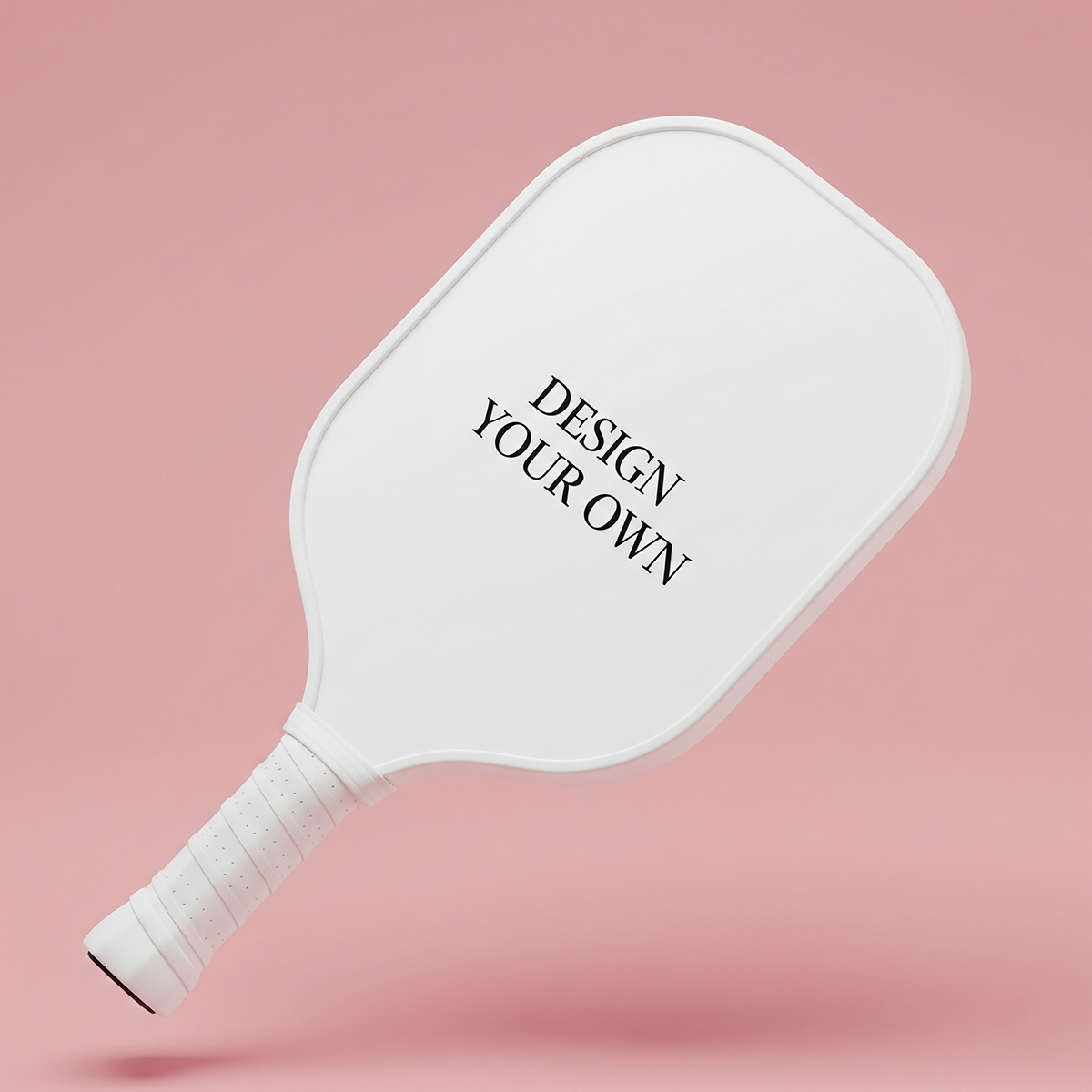
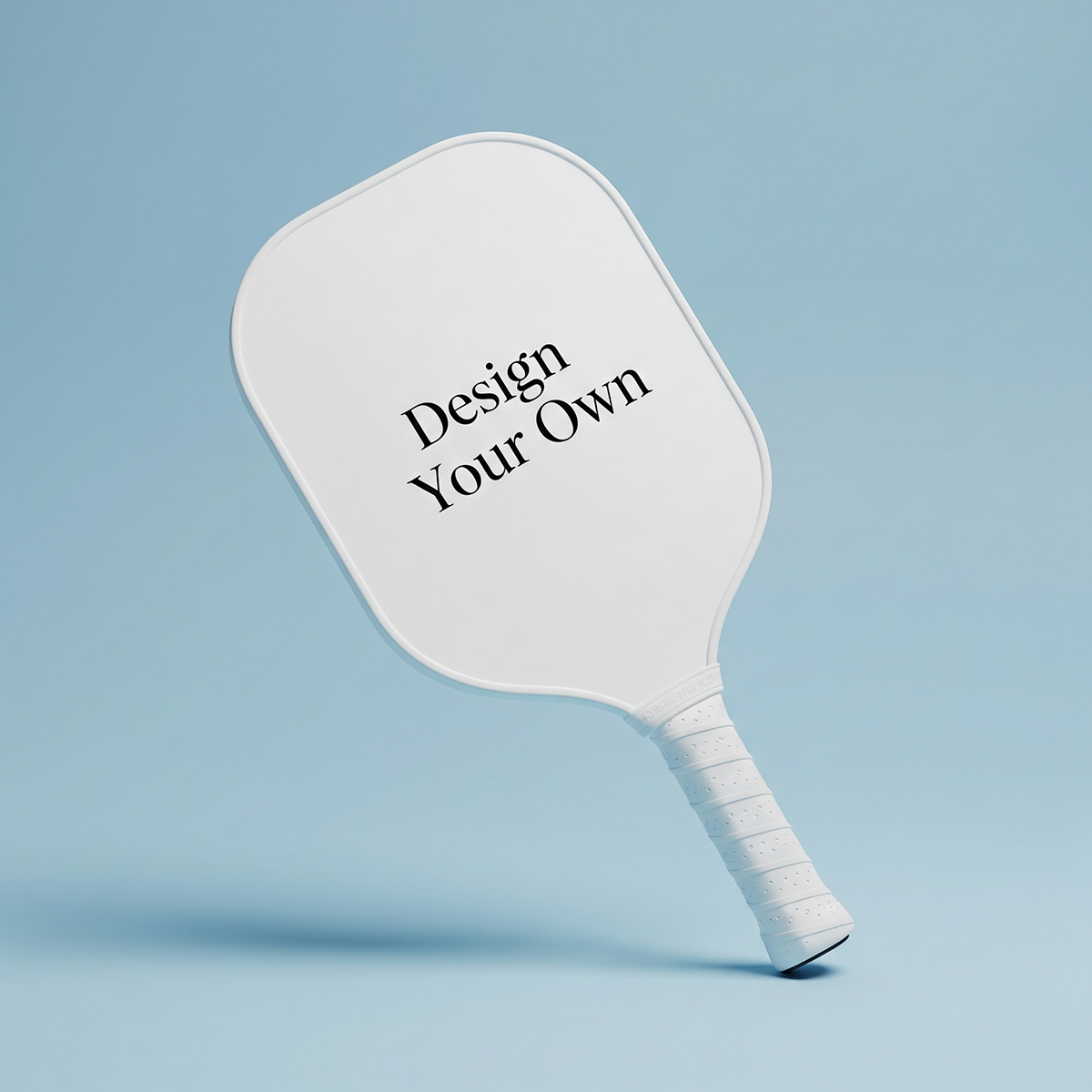
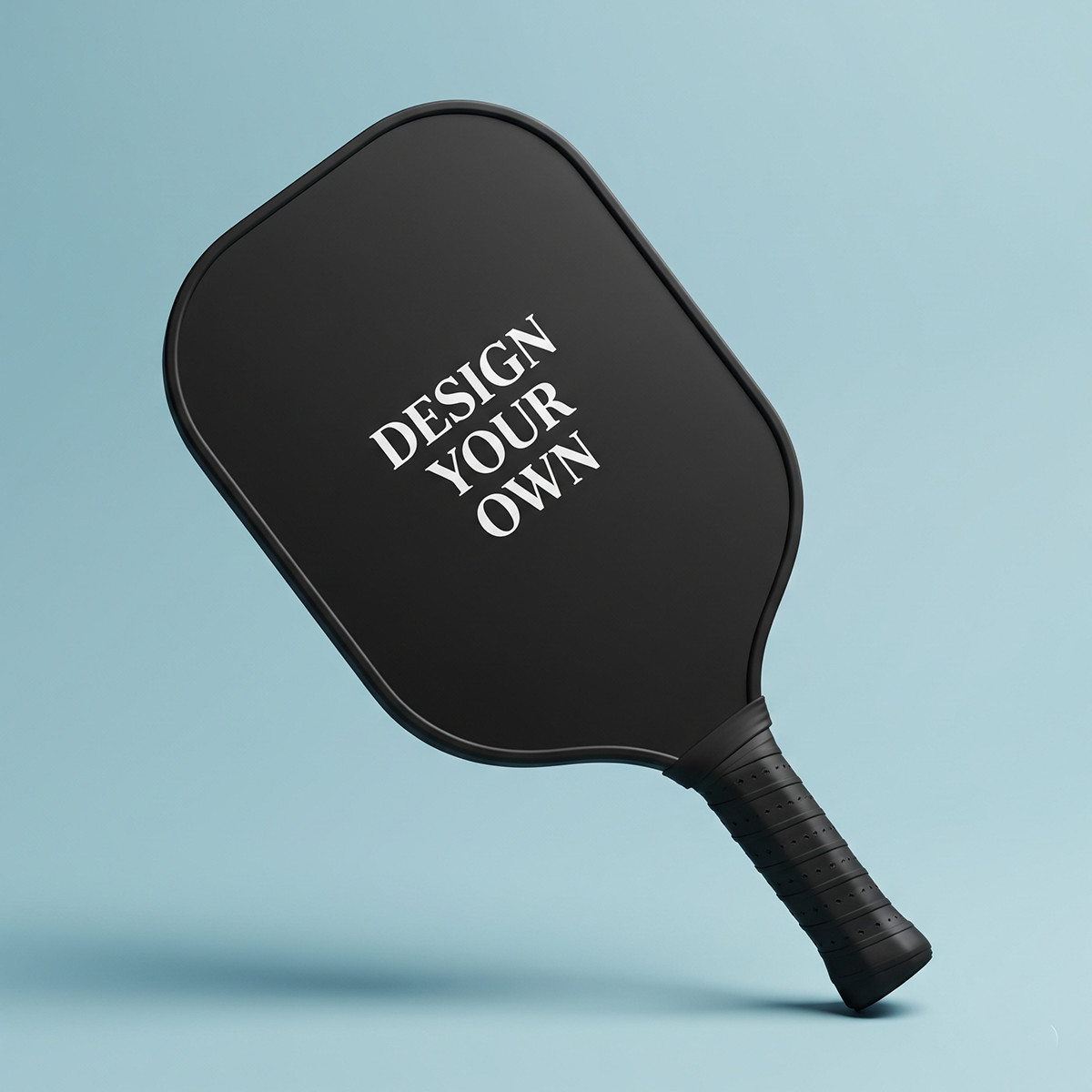
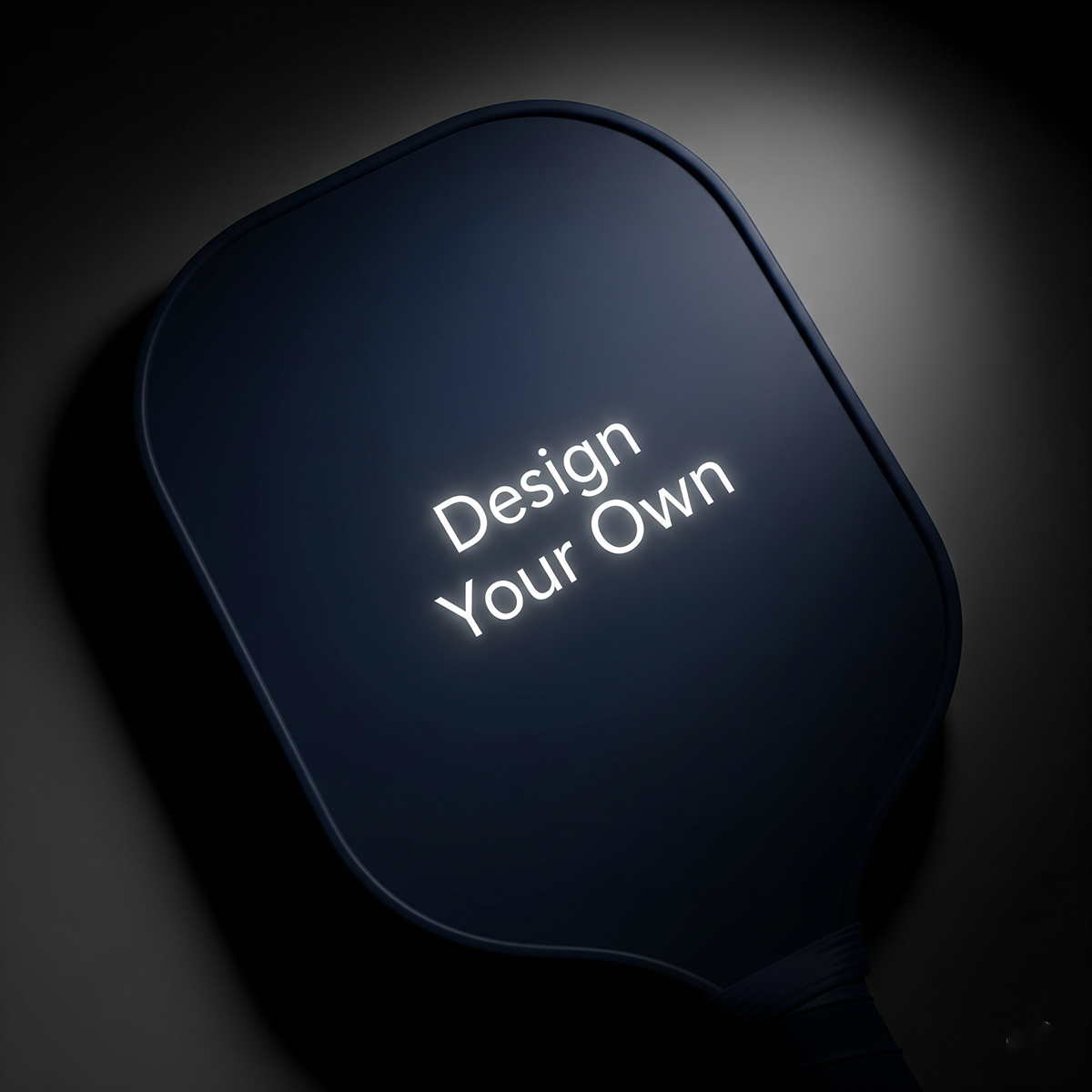
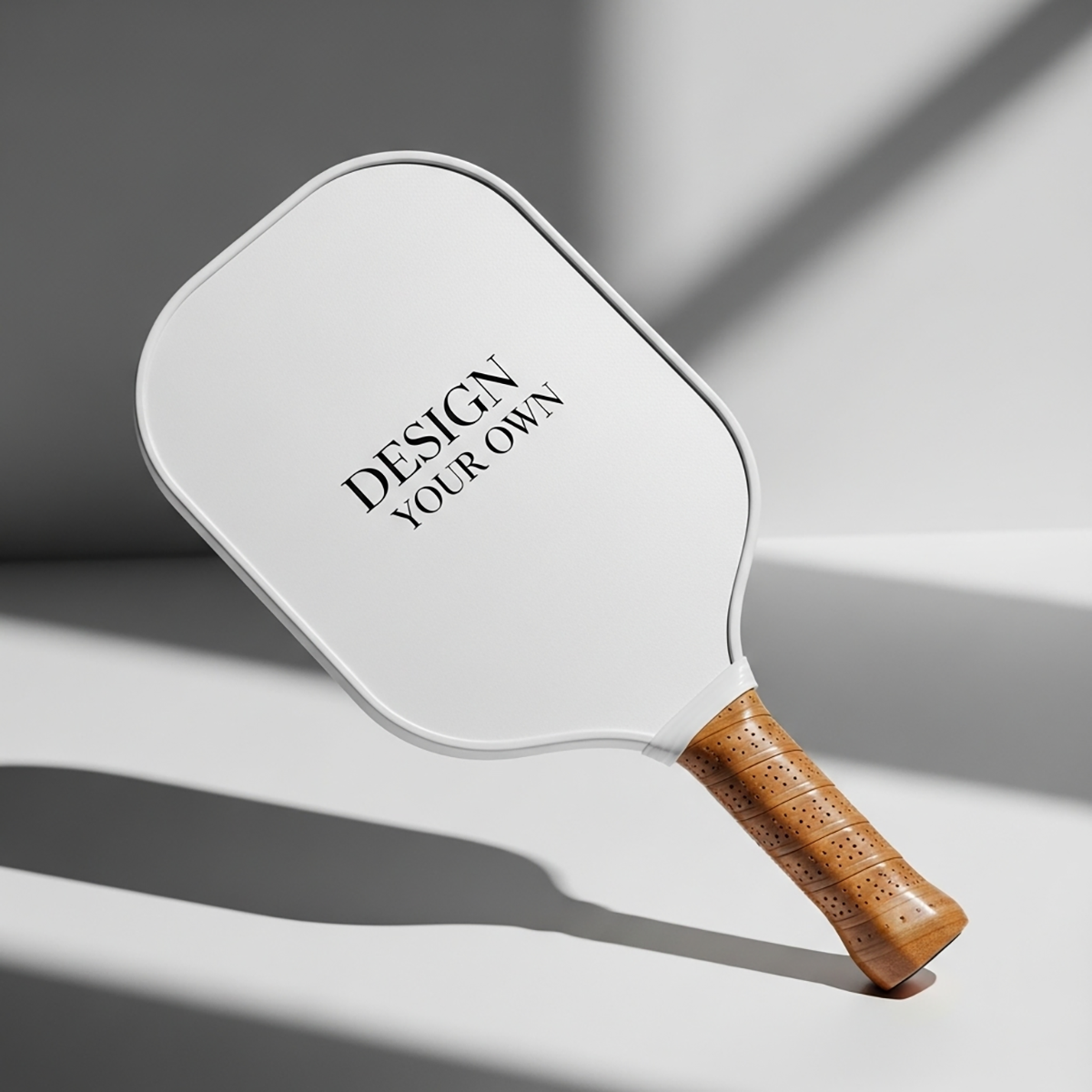
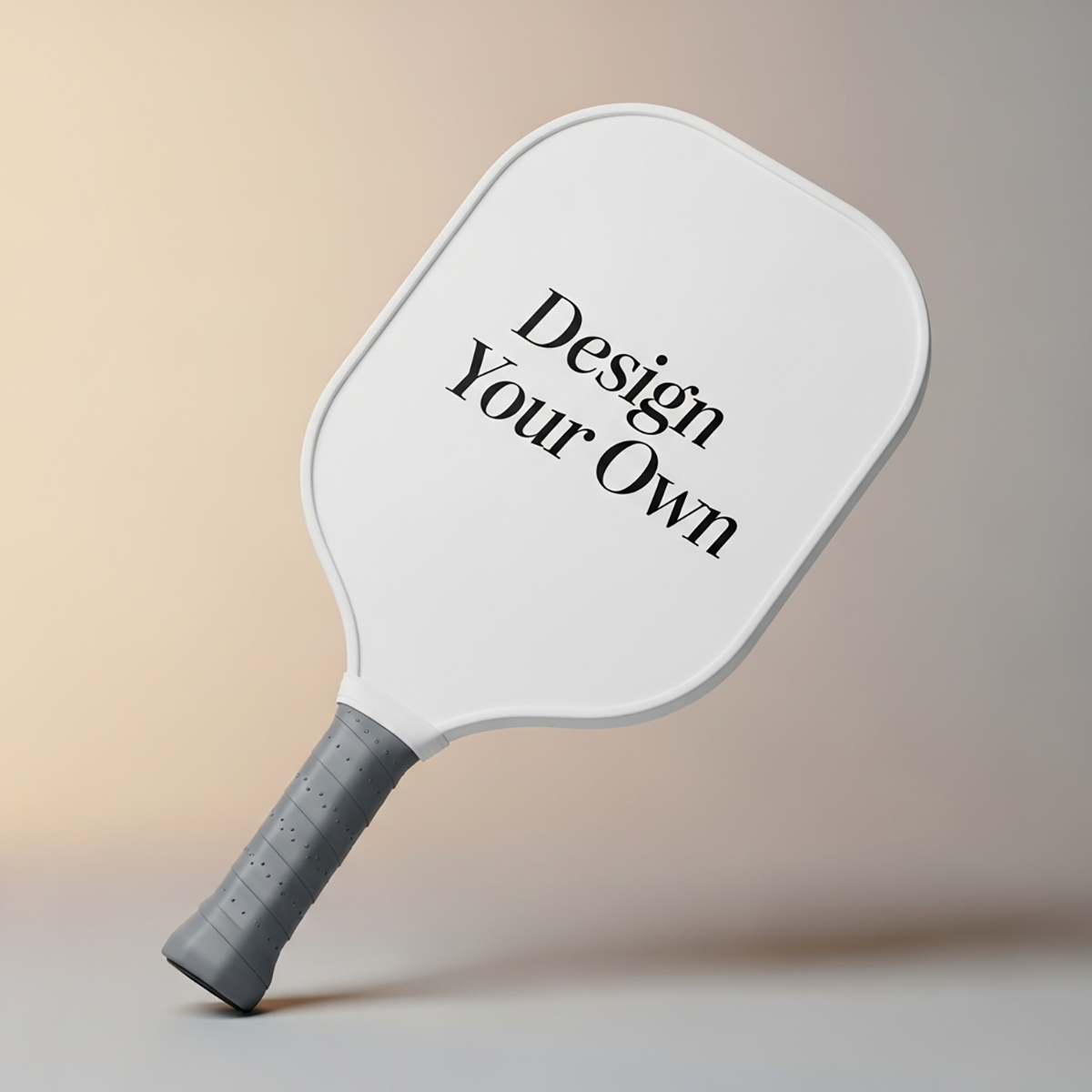
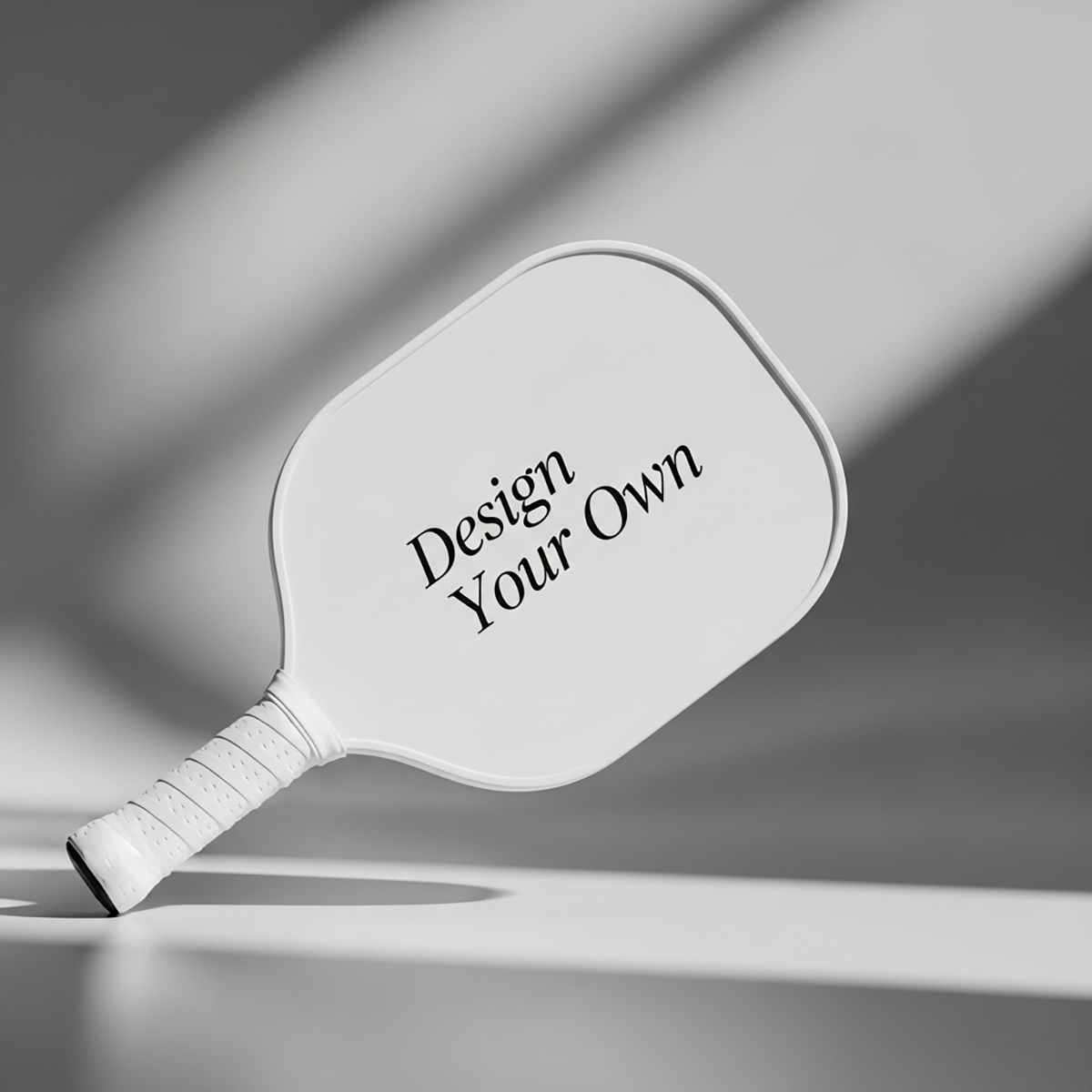
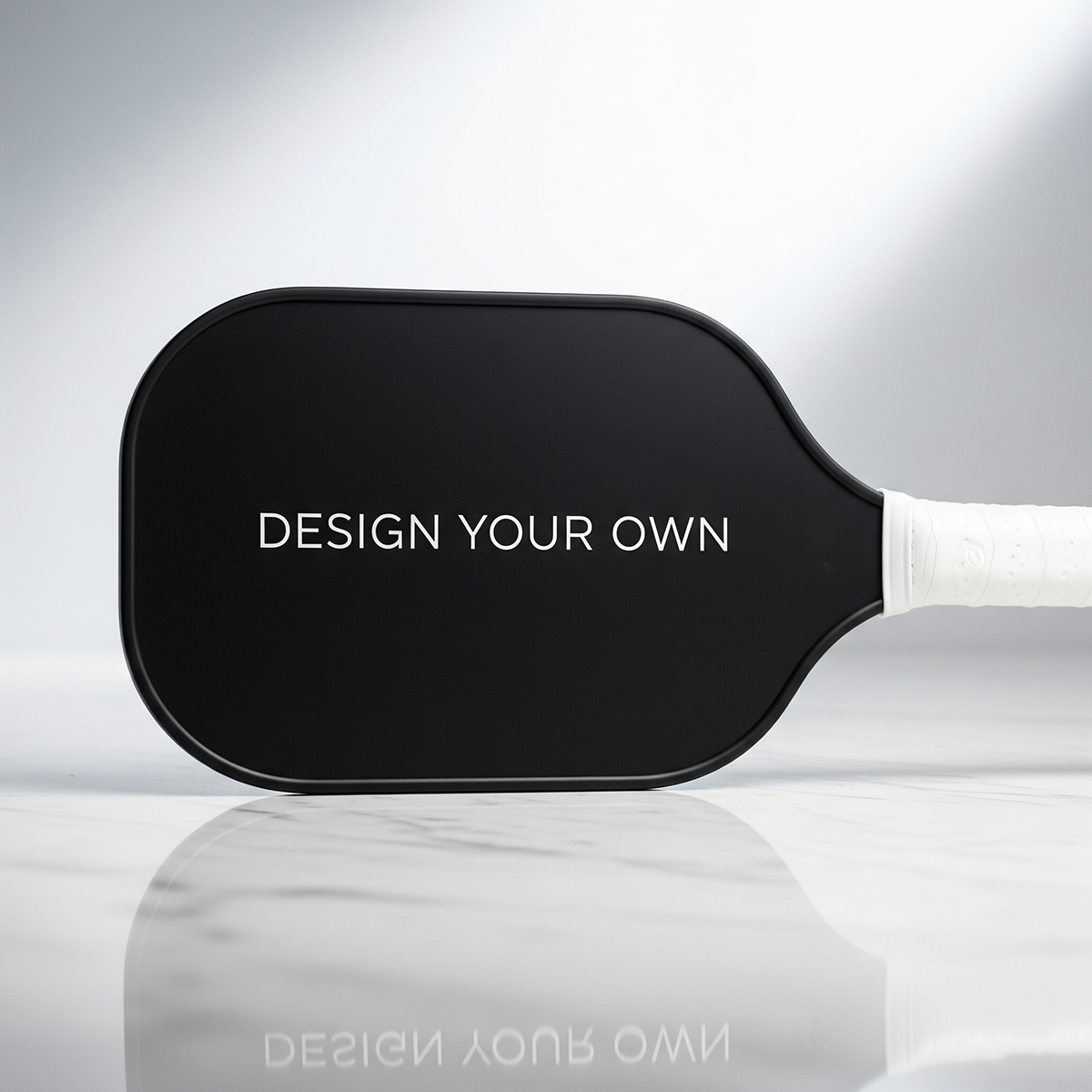
Shirts get covered by hoodies. Bags sit on benches. But paddles are always in-frame: warmups, points, selfies, podium shots. If your club logo or name is on the face, your members become brand carriers every session.
Bonus effect: When new players see a consistent club mark on-court, it signals organization and legitimacy—two things beginners look for before joining a league.

2) Identity and “we-ness” drives retention
In sports marketing research, team identification consistently predicts stronger engagement and consumption behaviors (people show up more, participate more, and buy more). (PMC)
There’s also a psychology angle: what we wear (or carry) can influence how we think and behave. “Enclothed cognition” research suggests symbolic gear can shape attention and mindset. While paddles aren’t clothing, the same symbolic meaning mechanism—“this represents my group”—is a useful lens for club gear strategy. (ScienceDirect)
Practical club takeaway: A custom paddle is a membership artifact. It turns “I play here sometimes” into “I’m part of this club.”
3) The sport’s growth creates a once-per-region “default club” opportunity
SFIA reporting has highlighted pickleball’s strong participation growth in the U.S. across multiple years, which translates into more beginners looking for organized play and community. (SFIA)
When beginners choose a home base, they usually pick the club that feels:
- welcoming
- consistent
- easy to identify
- active on social
A custom paddle program supports all four.
The 5 biggest reasons clubs order custom pickleball paddles
Reason 1: Recruiting becomes easier (your members market for you)
A consistent paddle look makes your club “easy to spot.” That matters because most recruitment is informal: someone asks on the sidelines, someone sees a tagged post, someone recognizes the logo at open play.
Micro-strategy: add a small, readable club handle or hashtag to the design so members know what to tag.
Reason 2: Fundraising with a cleaner value exchange than donations
Donations are abstract. A paddle is tangible—members feel good paying because they’re receiving something they’ll use weekly.
Simple fundraising model (use this to plan your first drop)
| Item | Example |
|---|---|
| Landed cost per paddle | (your negotiated cost) |
| Club price | landed cost + margin |
| Margin per unit | club price − landed cost |
| Goal | e.g., “lights fund” / “junior scholarships” |
| Units needed | goal ÷ margin per unit |
How to reduce risk: run pre-orders first. If you hit the minimum threshold, you place the production order. If not, you refund or roll into a second drop.

Reason 3: Sponsorship becomes more attractive
Local sponsors like being seen where photos happen. A club paddle drop can include a sponsor mark (small), a QR code to sponsor page (optional), and event-specific versions (e.g., “Spring Classic”).
This is especially helpful for clubs seeking facility upgrades—some grants and community funding initiatives exist broadly in the sport ecosystem, and clubs often combine multiple sources (sponsors, fundraising, grants). (USA Pickleball)
Reason 4: League and event operations get smoother
Custom paddles can improve captain recognition, content workflow (photo tagging consistency), lost-and-found (names / club identity), and tournament branding (one cohesive “look”).
If you run clinics, a distinct “coach paddle” design is also a simple cue for new players to know who to ask.
Reason 5: Member experience feels premium (and premium experiences keep people paying dues)
Even if your dues are modest, people stay for the feeling: “This club is legit.” “They do things well.” “I’m proud to be part of it.” A paddle drop—done with a clear story and a fun pickup night—creates that feeling fast.
What to put on a club paddle (without making it look like a billboard)
Design elements that work
- Club name (short)
- Logo/mark
- City/region (optional, adds pride)
- Year or “Founding Member” edition (creates collectability)
- Member personalization (name / nickname) for higher attachment
Design elements to avoid
- too many sponsors
- tiny text blocks
- overcrowded backgrounds
Rule of thumb: if it doesn’t read clearly from 6–8 feet away, simplify.
A “first drop” plan that clubs can execute in 14 days
Step 1: Choose the program goal
Pick one:
- recruiting (visibility)
- fundraising (margin)
- tournament identity (event cohesion)
- coach/clinic tools (operations)
Step 2: Pick your drop format
- Founding Drop (limited): urgency, easier forecasting
- Season Drop (quarterly): predictable cadence
- Event Drop (tournament): high emotion, great photos
Step 3: Collect orders with 3 choices max
Too many options slows decisions. Offer: (1) primary design, (2) alternate colorway, (3) “player name” personalization (optional).
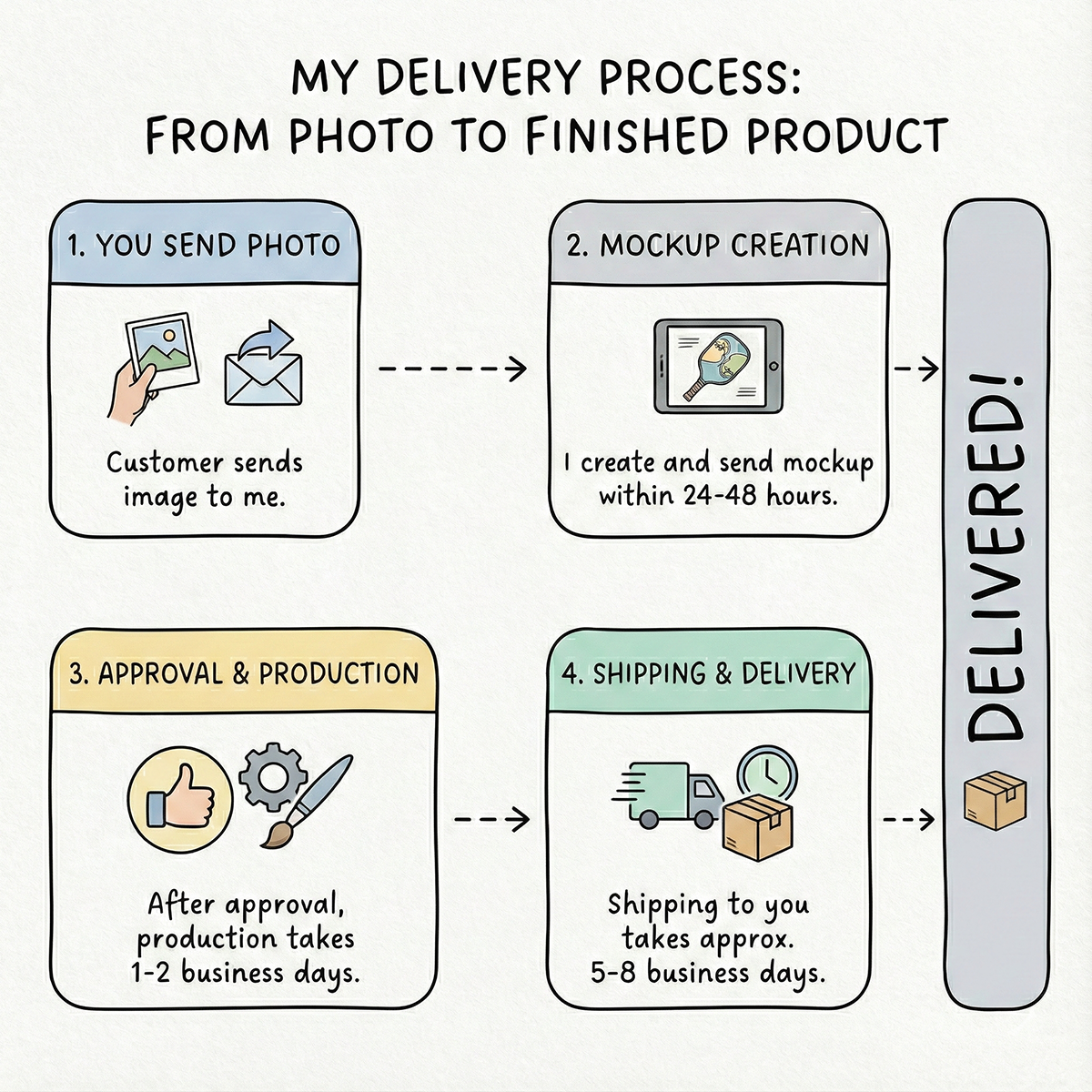
Step 4: Proofing and production
Set one clear expectation: “Approve your proof by X date.”
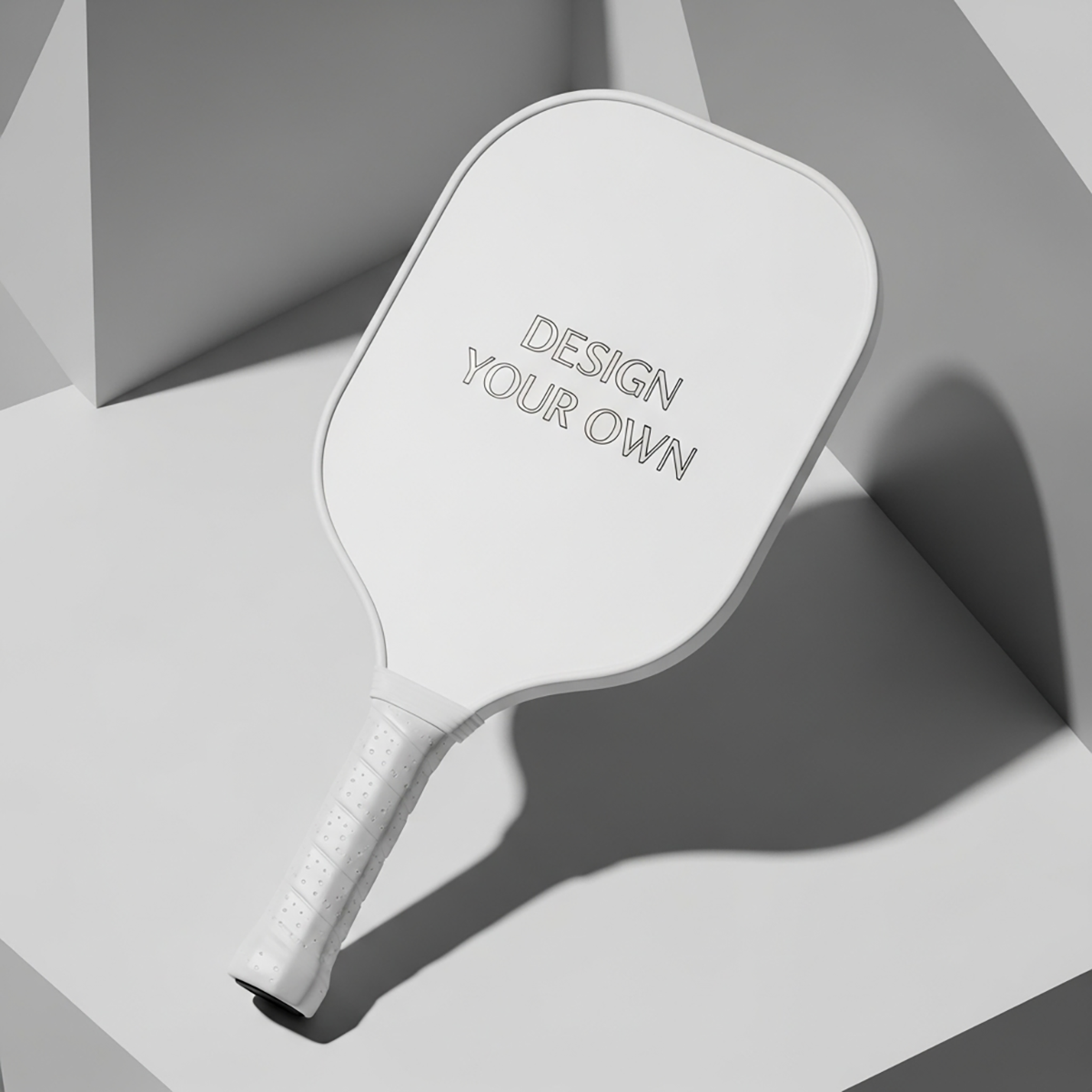
If you’re using Lumo’s custom flow, the core promise is straightforward: upload design → accurate reproduction → production and shipping timeline. (Lumo custom paddle)
Step 5: Pickup night = community night
Turn distribution into a mini-event:
- photos (tag-friendly backdrop)
- quick play ladder
- sponsor shoutout
- new member welcome

Club use-cases you can copy-paste
| Club Type | Best Paddle Program | Why it works |
|---|---|---|
| New club (0–6 months) | Founding Drop | Instant identity + recruitment |
| Established club | Seasonal Drop | Predictable revenue + retention |
| Tournament host | Event Drop | Better sponsor value + content |
| Youth/juniors focus | Scholarship Drop | Members love supporting juniors |
| Corporate / community group | Bulk branded drop | Simplifies gifting & wellness |
If you’re running corporate events or community programs, bulk branded sets are common in the market and typically follow a “quote → mockup → approval → production” process. (Kingdom Gifts)
Conversion-friendly CTA (how to invite clubs without sounding salesy)
When you post this on your club site or send it in a newsletter, try:
- “Want a club paddle drop this season? We’ll run a pre-order list.”
- “Founding Drop closes Friday—pickup night next week.”
- “Support court upgrades: every paddle funds the lights project.”
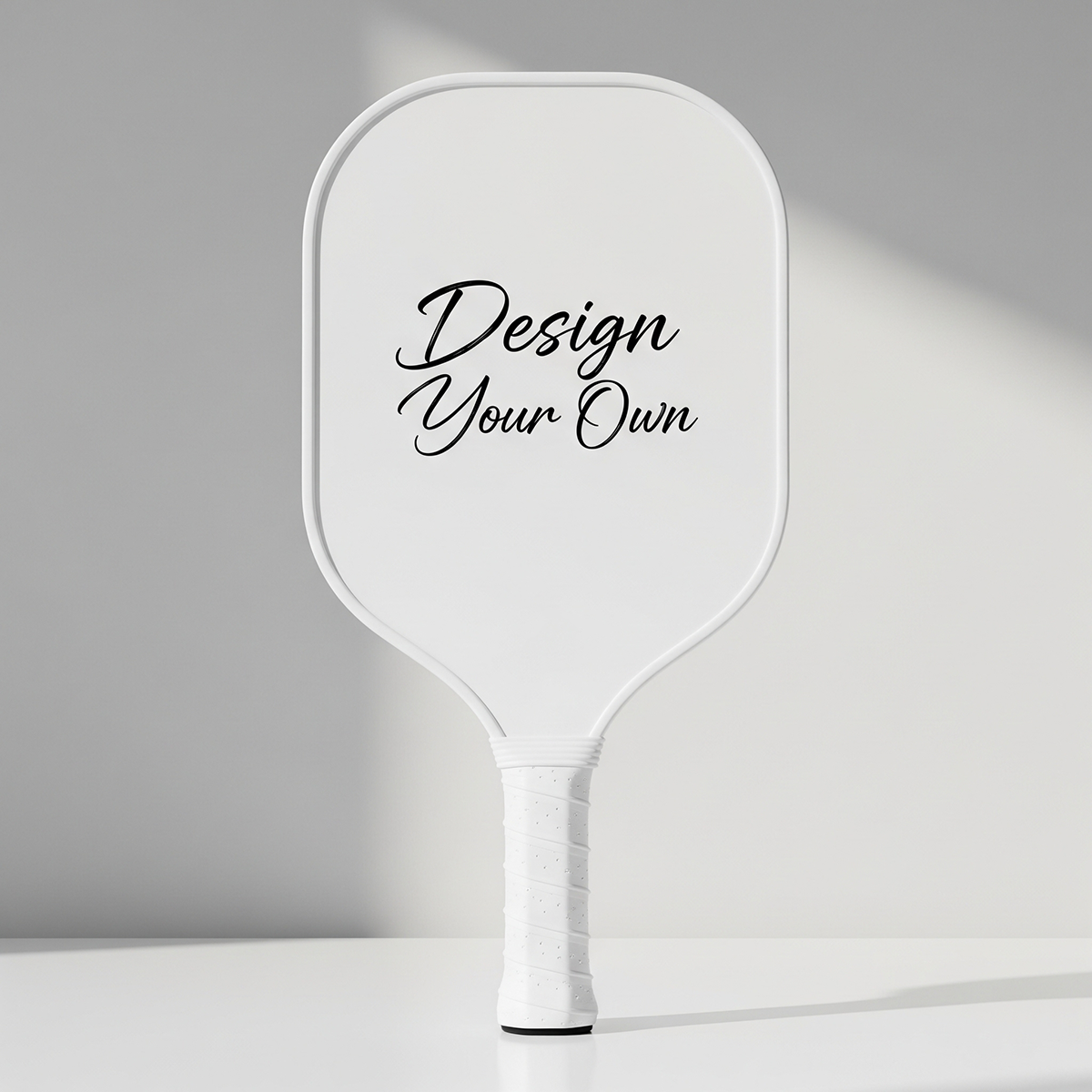
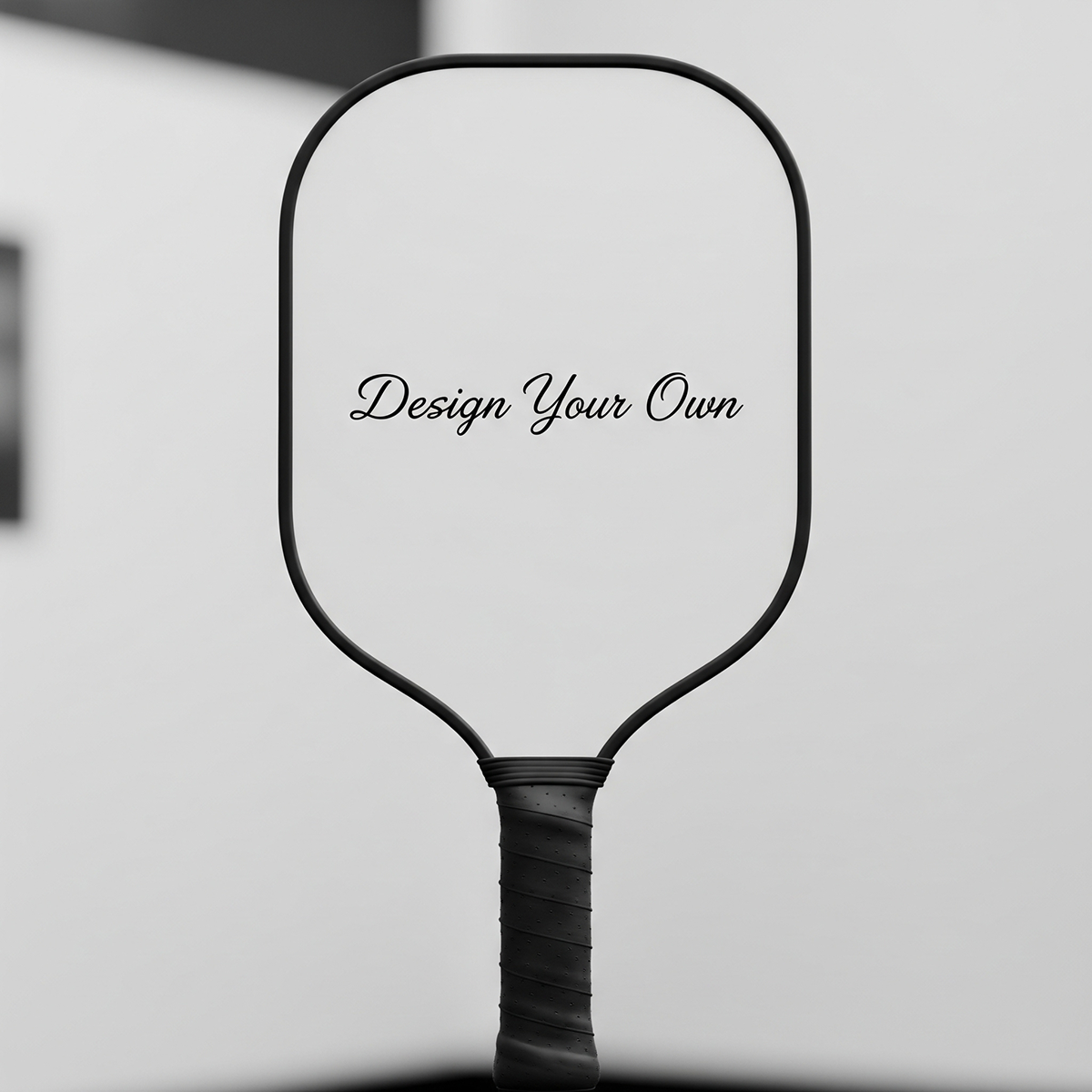
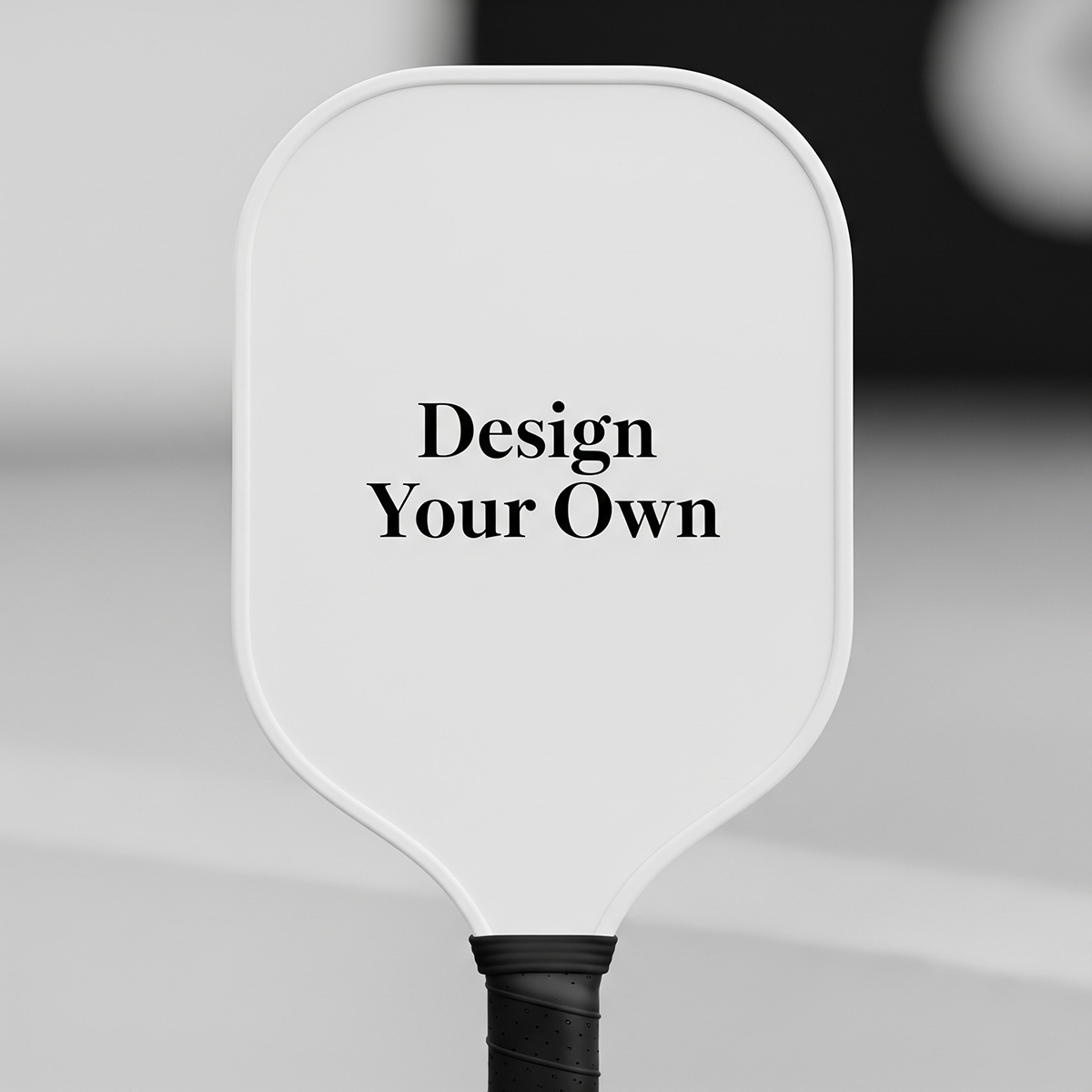
For fulfillment, you can point members to your club’s dedicated ordering path and anchor it to a proven customization page like Design Your Own Pickleball Paddle, then keep related education content discoverable in your pickleball blog hub.
Key Takeaways
- Custom paddles are the most visible “brand surface” in pickleball—great for recruiting.
- Identity-based gear supports belonging, which links to stronger engagement behaviors. (PMC)
- Pre-orders + limited drops reduce risk and can fund specific club goals.
- A paddle pickup night doubles as community building and content creation.
- Keep designs clean: one strong mark, one supporting element, optional personalization.
FAQ
1) How many paddles should a club order for the first drop?
Start with pre-orders so you order what you’ve already sold. Limited drops typically outperform “always available” because they create urgency.
2) Should we include sponsor logos?
Yes, but keep them small and few. Sponsors usually value clean visibility more than clutter.
3) Can we do custom paddles for teams, leagues, or businesses?
Yes—many brands offer group options, and Lumo explicitly supports team/club/business inquiries. (Lumo)
4) What’s the best way to launch without overwhelming members?
Offer one main design + one alternate + optional name personalization. Keep choices simple.
5) How do we tie paddles to fundraising without feeling pushy?
Name a specific target (“court lights,” “junior program,” “tournament permits”) and show a simple progress tracker.
References
- SFIA — Topline Participation Report (2024)
- SFIA — State of Pickleball / Facility Demand
- USA Pickleball — Grant Programs
- Kwon (2022) — Team Identification & Consumption Behavior (PMC)
- Adam & Galinsky (2012) — Enclothed Cognition (ScienceDirect)
- Kingdom Gifts — Custom Pickleball Set (Bulk)
- Lumo Pickleball — Custom Pickleball Paddle
- Lumo Pickleball — Blog Hub


Dejar un comentario
Este sitio está protegido por hCaptcha y se aplican la Política de privacidad de hCaptcha y los Términos del servicio.