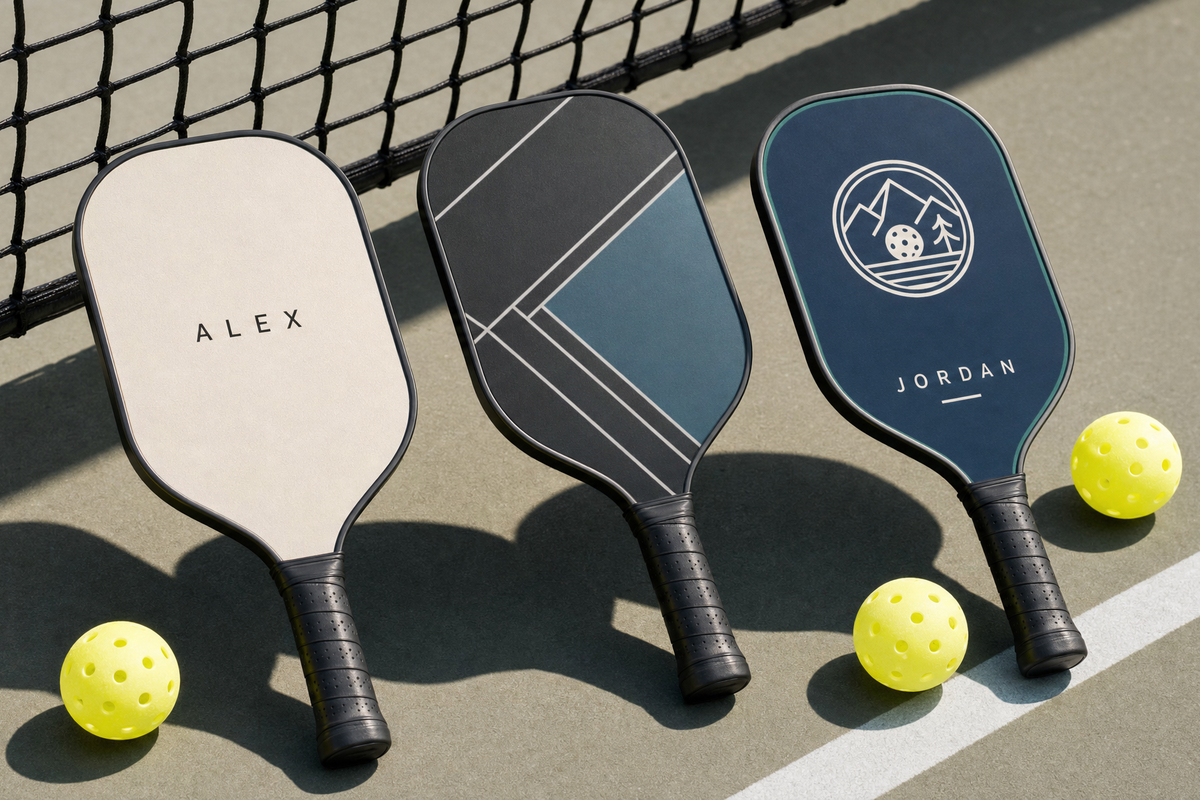
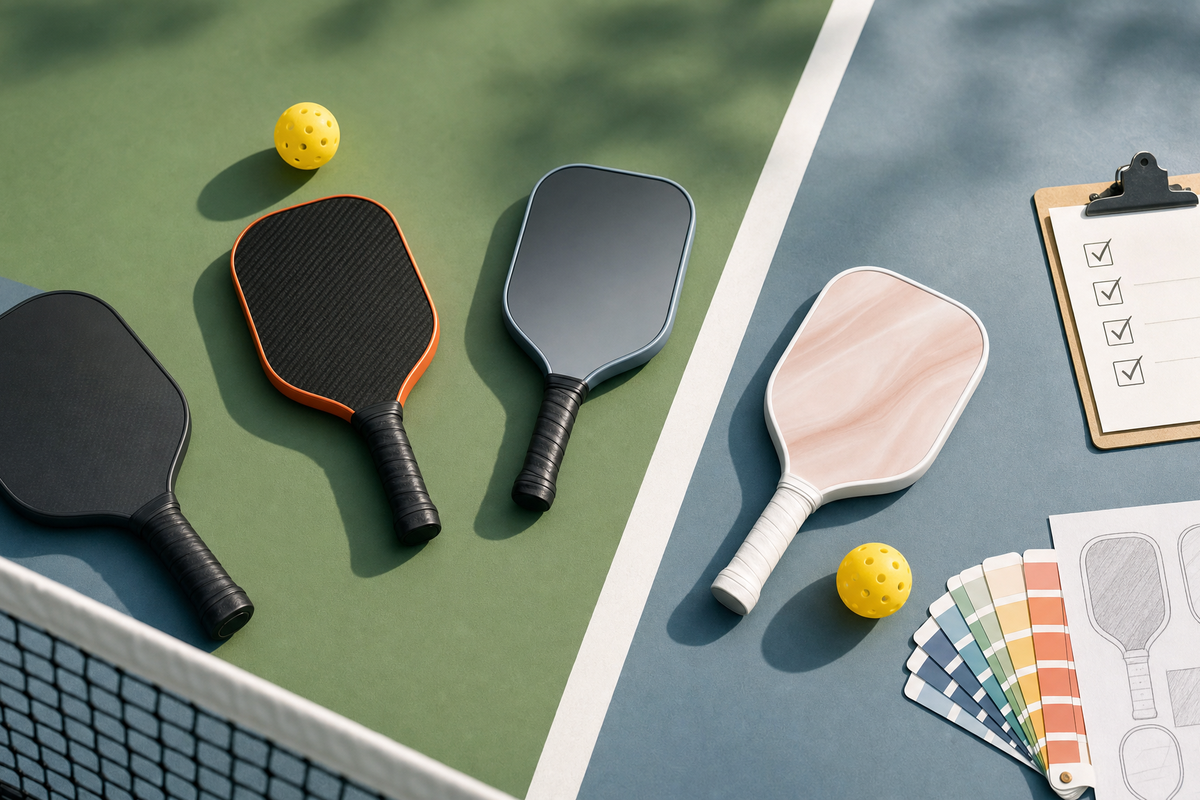
A designer pickleball paddle should do two jobs at once: feel right in your hand and look like it belongs to you. The hard part is knowing where design choices end and paddle-buying choices begin. A beautiful graphic will not fix the wrong weight, material, grip feel, or buying use case. At the same time, a good paddle can feel more personal, more giftable, and easier to identify when the artwork is planned well.
This guide is for shoppers comparing designer pickleball paddles before buying or customizing a Lumo product. It focuses on practical decisions: when a personalized pickleball paddle makes sense, what to think about before uploading artwork, how to avoid common design mistakes, and how to choose between a personal paddle, a gift paddle, or a club set.
Short answer: personalize the paddle when the design adds identity, gifting value, or team consistency without distracting from playability. Choose the paddle type first, then design around the printable area, image quality, name placement, and long-term readability.

What “designer pickleball paddle” really means
The phrase “designer pickleball paddle” can mean several things. For one shopper, it means a paddle with a clean aesthetic that does not look generic. For another, it means a fully personalized graphic with a name, initials, pet portrait, club logo, wedding date, or inside joke. For a club organizer, it may mean a coordinated set of paddles that makes the group feel more unified.
A useful way to think about it is this: a designer paddle is not only decoration. It is a buying decision that combines three layers:
- Performance layer: the paddle construction, face material, grip comfort, and overall feel.
- Identity layer: names, colors, artwork, logos, patterns, and personal references.
- Occasion layer: whether the paddle is for daily play, a first paddle, a birthday gift, a club event, or a tournament-style group order.
If you are still deciding whether to customize at all, Lumo’s guide to custom vs. stock pickleball paddles is a useful companion read. The more practical question is not “Is custom better?” but “Will customization improve this buying situation?”
The personalization fit framework
Before choosing artwork, use the framework below. It helps separate good reasons to personalize from reasons that may lead to disappointment.
| Buying situation | Personalization fit | Design approach | Watch out for |
|---|---|---|---|
| First paddle for a new player | Good if the paddle is still beginner-friendly | Simple name, favorite color, readable initials | Choosing looks before comfort and control |
| Gift for a pickleball player | Very strong fit | Name, meaningful date, hobby theme, pet or family reference | Overcrowding the design with too many ideas |
| Club or group paddles | Strong fit when consistency matters | Shared logo or layout with individual names | Using tiny text that is hard to read from a distance |
| Player upgrading from a basic paddle | Good if construction is considered first | Cleaner, more mature design with one focal point | Ignoring material differences while focusing only on graphics |
| Decorative novelty item | Depends on expectations | Bold art, joke text, display-focused design | Assuming a novelty design automatically equals a great playing paddle |
Choose the paddle before designing the artwork
Many shoppers start with the image first. That is understandable, especially if the paddle is a gift. But the more reliable order is: choose the paddle category, confirm the use case, then build the artwork around it.
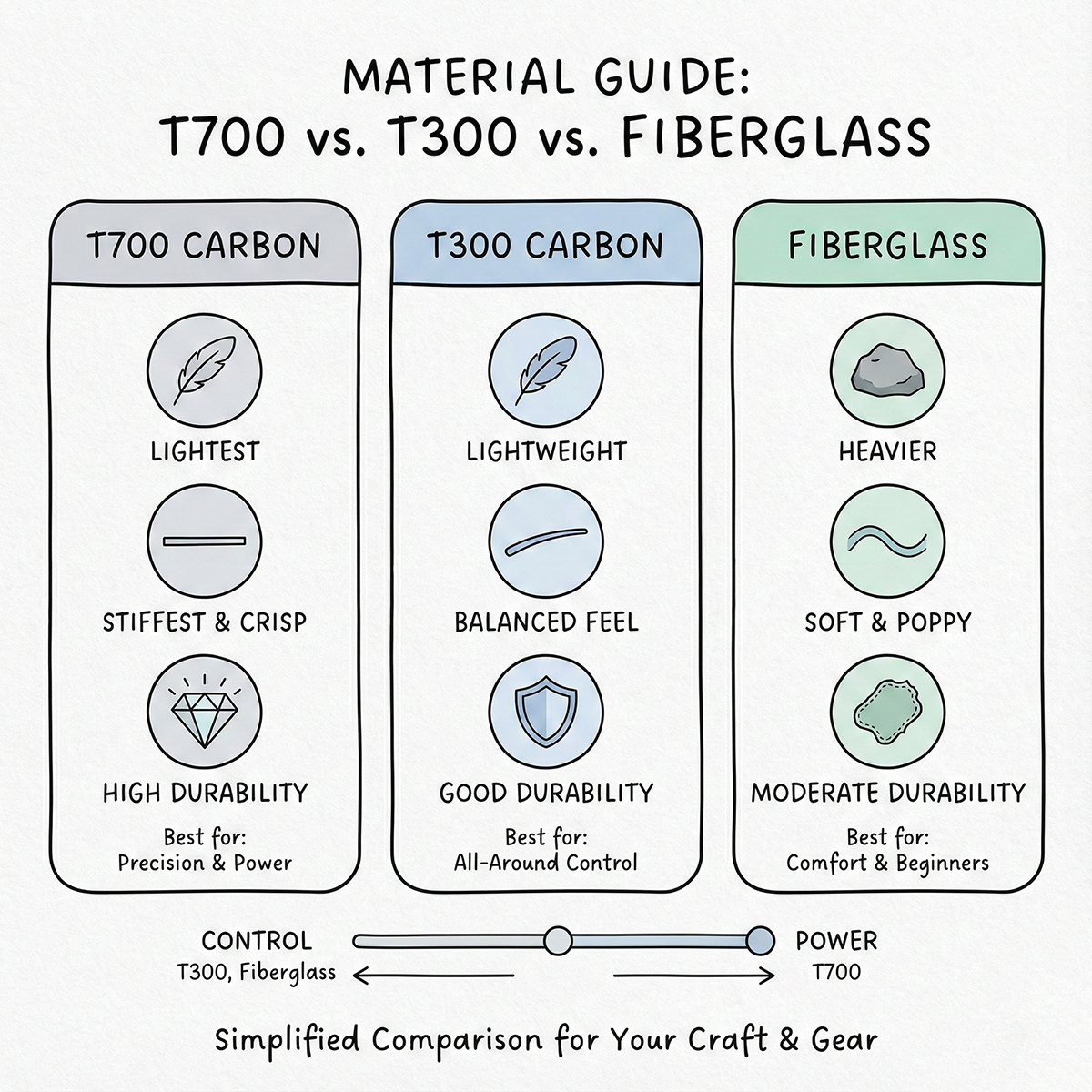
If the recipient is new to pickleball, the design should not distract from choosing a paddle that suits beginners. Lumo’s beginner paddle guide can help you think through that purchase. If the buyer is comparing construction types, the articles on why T300 can be a smart first choice for custom paddles and fiberglass vs. T300 and T700 carbon options are more relevant than artwork inspiration alone.
The design itself should support the paddle’s purpose. A player who practices often may prefer something clean, durable-looking, and easy to identify in a bag. A gift recipient may value a more emotional design. A club may need a layout that stays consistent across multiple names.
A simple decision order
- Define the primary use: beginner play, regular recreation, gift, club event, or upgrade.
- Choose the paddle category: do not let artwork be the only deciding factor.
- Pick one design focal point: name, logo, illustration, pattern, or photo.
- Check artwork quality: make sure the image is clear enough for the final print size.
- Review safe placement: keep important text and faces away from edges and cut lines.
- Confirm spelling: especially names, dates, team names, and initials.
Artwork quality: what shoppers should understand before uploading
Personalized products depend heavily on the quality of the file you provide. A crisp design on your phone screen can still print poorly if the file is too small, compressed, or cropped in the wrong place. This does not mean every shopper needs to become a print technician. It means you should check a few basics before ordering.
General print guidance from Adobe explains that image resolution affects how much detail an image can hold when printed. Print providers also commonly discuss DPI, actual print size, and safe print areas; Printful’s help center has approachable explanations of DPI, resolution, and actual print file size, as well as what a safe print area means. These are general print concepts, not a substitute for any specific customization template or vendor requirement, but they are useful for understanding why file quality matters.

Practical file checks before you order
- Use the largest clean version of the image. Avoid screenshots of screenshots, tiny social media thumbnails, or heavily compressed files.
- Keep important details away from edges. Names, faces, pet features, and logos should not sit where trimming, curves, or template boundaries may affect them.
- Do not rely on tiny text. If the text matters, make it large enough to read at arm’s length.
- Prefer contrast over complexity. A simple high-contrast name is often more readable than a detailed text effect.
- Check spelling twice. Personalized products are unforgiving when a name or date is wrong.
- Use original art when possible. Avoid using images you do not have permission to use, especially for logos, characters, or copyrighted artwork.
For shoppers who want more technical background, Adobe’s page on resolution specifications for printing images is a helpful reference. The key takeaway is simple: the file should contain enough detail for the size you want to print.
Design ideas that usually work well on personalized pickleball paddles
The best designer pickleball paddles are not always the most complicated. A paddle face is a limited space with curves, grip interruption, and real-world viewing distance. Your design should be recognizable quickly.
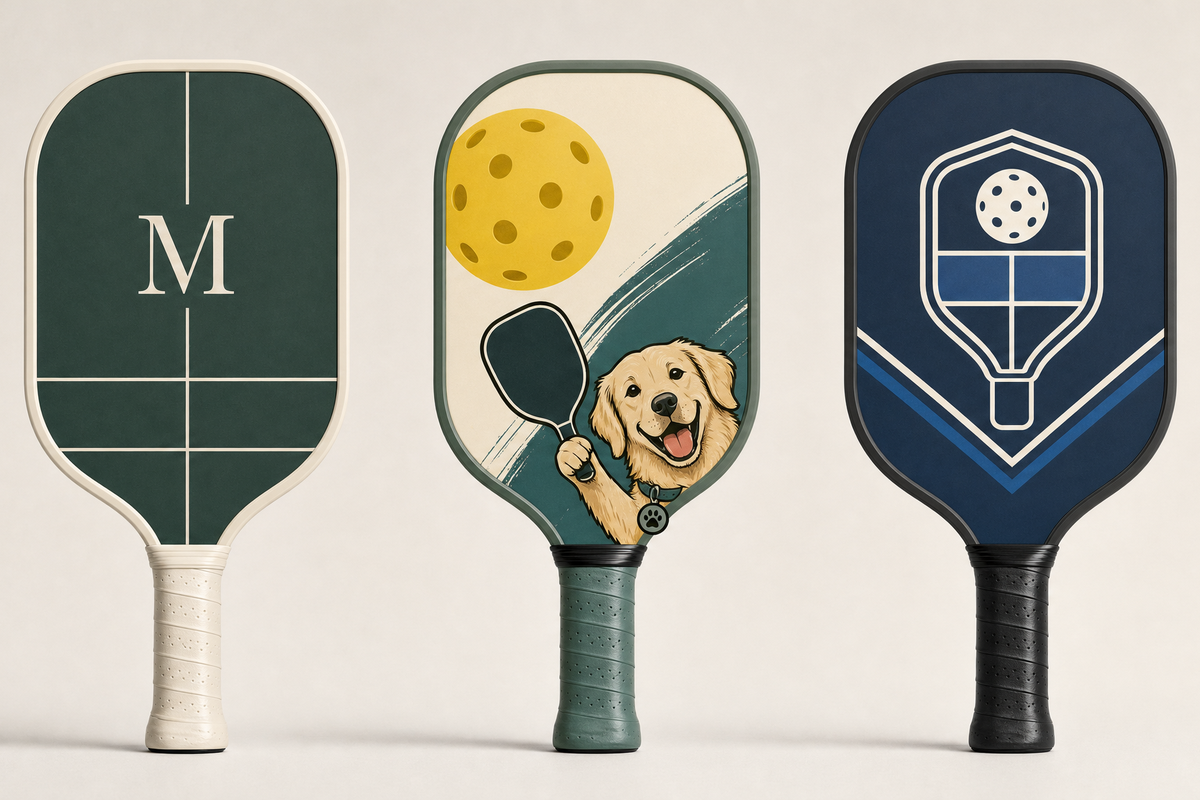
1. The name-first paddle
This is the safest choice for most gifts and personal paddles. Put the player’s name, nickname, or initials in a prominent position. Pair it with a simple pattern, color field, or small icon. This works especially well when you do not know the recipient’s exact design taste.
2. The hobby-and-personality paddle
Use one strong theme: beach, retro sport, florals, geometric pattern, pet, travel, music, or a favorite phrase. The mistake is combining every interest into one layout. A paddle with a dog portrait, three quotes, a beach sunset, a monogram, and a team logo may feel personal in concept but cluttered in execution.
3. The club identity paddle
For groups, consistency matters more than individual complexity. A shared logo, shared color direction, and consistent name placement will usually look more organized than every player choosing a completely different layout. If you are planning a group order, Lumo’s guide to custom pickleball paddles for clubs covers the planning side in more depth.
4. The gift-message paddle
A short message can be meaningful, but keep it concise. “Dad’s Dinks,” “Court Queen,” “Team Garcia,” or a date can work better than a long paragraph. If the paddle is primarily a gift, you may also want to read Lumo’s article on custom pickleball paddles as gifts for more occasion-specific ideas.
Designer paddle mistakes to avoid
Most disappointing custom designs come from preventable decisions. Use this audit before submitting your order.
Mistake 1: Designing for a flat poster instead of a paddle
A paddle is not a rectangle hanging on a wall. It has a handle, a curved outline, and a playing context. Designs that look balanced on a full rectangular canvas may feel awkward once placed on the paddle shape. Keep your focal point centered in the usable face area, not just in the original image.
Mistake 2: Using low-resolution images
Low-resolution images may look acceptable on a small phone preview but lose clarity when enlarged. This is especially noticeable with faces, pets, logos, and detailed illustrations. When in doubt, use the original file rather than a saved preview from a messaging app or social platform.
Mistake 3: Making the paddle too text-heavy
Text is useful, but too much text turns the paddle into a poster. If the wording needs explanation, it may not be the best paddle graphic. Use one main phrase and one supporting detail at most.
Mistake 4: Treating personalization as a substitute for fit
A personalized paddle still needs to make sense for the player. If the recipient is a beginner, do not choose purely based on appearance. If the player is more advanced, think more carefully about construction and feel. Lumo’s pro pickleball paddle buyer’s guide may be useful for shoppers comparing more performance-oriented expectations.
Mistake 5: Forgetting that gifts should match the recipient, not the giver
It is easy to design something you personally love. A better gift paddle reflects the recipient’s taste: their colors, nickname, humor level, and playing style. If you are unsure, choose a cleaner design. Understated personalization usually ages better than a very specific trend.
Personalized paddle ideas by recipient type
| Recipient | Safe design direction | Personal detail to add | Designs to avoid |
|---|---|---|---|
| New player | Bright but simple | First name or initials | Busy graphics that make the paddle feel like a novelty only |
| Parent or grandparent | Classic, readable, warm | Family nickname or short phrase | Tiny text, inside jokes they may not want on court |
| Competitive friend | Clean, bold, sport-focused | Last name, monogram, team-style mark | Overly cute graphics unless that matches their taste |
| Couple | Coordinated pair | Names, date, shared phrase | Two unrelated designs if the goal is a matching gift |
| Club member | Consistent layout | Club name plus player name | Inconsistent logo placement across the set |

How to brief a custom paddle design in five minutes
If you are preparing to customize a Lumo paddle, a short design brief can prevent confusion. You do not need design jargon. You only need to make a few choices clear.
- State the purpose: “This is a birthday gift for a beginner,” or “This is for our club’s spring event.”
- Name the focal point: “Use the name Morgan as the main element,” or “Make the dog photo the focus.”
- Choose a mood: clean, playful, retro, elegant, sporty, bold, minimal, or colorful.
- List must-have text: names, initials, dates, club names, or slogans.
- List must-avoid items: colors the recipient dislikes, jokes that should not appear, or images that should not be cropped.
- Provide the best files: original images, high-quality logos, and clear reference artwork.
This short brief keeps the design process focused. It also helps you avoid adding new ideas late in the process simply because there is empty space. Empty space is not automatically a problem; it often makes the personalized part easier to read.
When a designer paddle is not the best choice
A personalized paddle is not always the right purchase. It may not be ideal if you are still unsure whether the recipient plays pickleball, if you do not know their basic paddle preferences, or if the design depends on a low-quality image that cannot be replaced. In those cases, a stock paddle or a less specific gift may be safer.
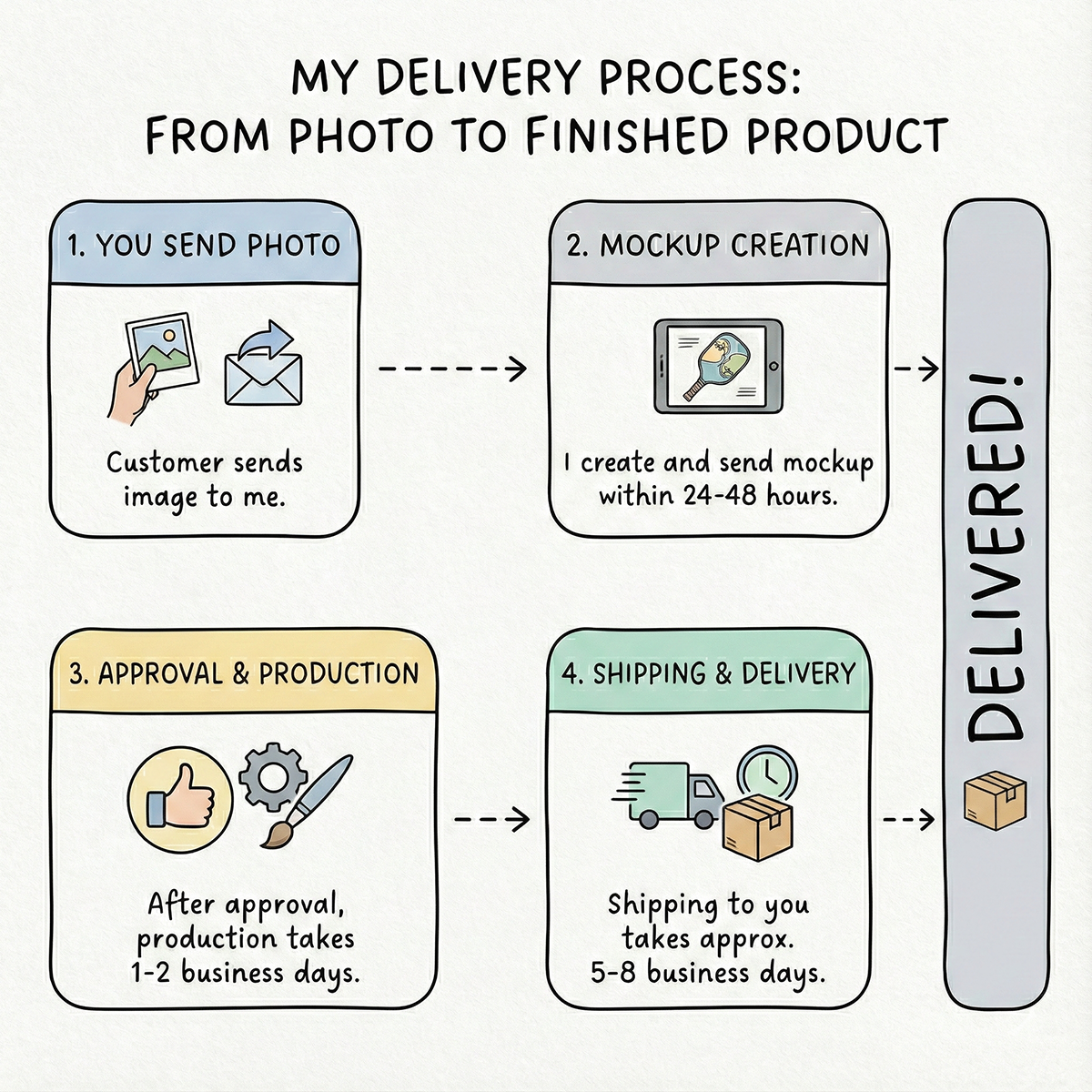
It is also worth being honest about timing. Custom products usually require more review than off-the-shelf products because names, artwork, and placement must be correct. If you need a last-minute gift, check production and shipping expectations before committing to a personalized design.
For budget-conscious shoppers comparing paddle construction, Lumo’s article on cheap carbon fiber paddles can help frame the tradeoffs. If you are comparing basic construction labels, you may also want to review why Lumo cautions shoppers to look carefully at generic “composite” paddle labels. The more informed you are before personalizing, the less likely you are to choose a paddle only because the mockup looks good.
Pre-order checklist for a personalized pickleball paddle
- Have you chosen the paddle for the player’s use case, not just the graphic?
- Is the main design idea clear in one sentence?
- Are all names, initials, dates, and club names spelled correctly?
- Is the image file the highest-quality version available?
- Are important details away from the edge and handle area?
- Can the main text be read quickly?
- Does the design match the recipient’s taste?
- Have you checked timing if the paddle is for a birthday, holiday, or event?
- If ordering for a club, have you standardized logo placement and name formatting?
FAQ: designer and personalized pickleball paddles
Is a personalized pickleball paddle mainly for looks?
Not necessarily. Personalization adds identity, gifting value, and easy recognition, but the paddle still needs to fit the player’s skill level and preferences. Choose the paddle first, then customize the look.
What is the safest design for a gift paddle?
A name-first design is usually safest: the recipient’s name or nickname, a clean color direction, and one simple supporting visual. It feels personal without requiring you to guess every detail of their taste.
Can I use a photo on a designer pickleball paddle?
A photo can work if the file is clear and large enough for the print area. Avoid screenshots, tiny social images, or photos where the important subject is near the edge. For pet or family photos, choose a bright image with a clear subject.
Are club paddles better with matching or individual designs?
For most clubs, a shared layout with individual names is the more polished option. It keeps the group identity consistent while still giving each player a personal paddle.
Should beginners buy designer paddles?
They can, as long as the paddle choice still makes sense for a beginner. A simple personalized design can make a first paddle more exciting, but it should not replace basic buying considerations like comfort and ease of use.
Final buying advice
The best designer pickleball paddle is not the loudest design or the most complicated artwork. It is the paddle where the playing purpose, personal detail, and visual layout work together. If you are buying for yourself, start with how you play and what you want the paddle to say about you. If you are buying for someone else, start with their taste, not yours. If you are buying for a club, prioritize consistency and readability.
For a Lumo shopper, the most useful next step is to decide which path you are on: personal paddle, gift paddle, beginner paddle, upgrade paddle, or club set. Once that is clear, the design choices become much easier. A personalized pickleball paddle should feel intentional before it ever reaches the court.


Dejar un comentario
Este sitio está protegido por hCaptcha y se aplican la Política de privacidad de hCaptcha y los Términos del servicio.