
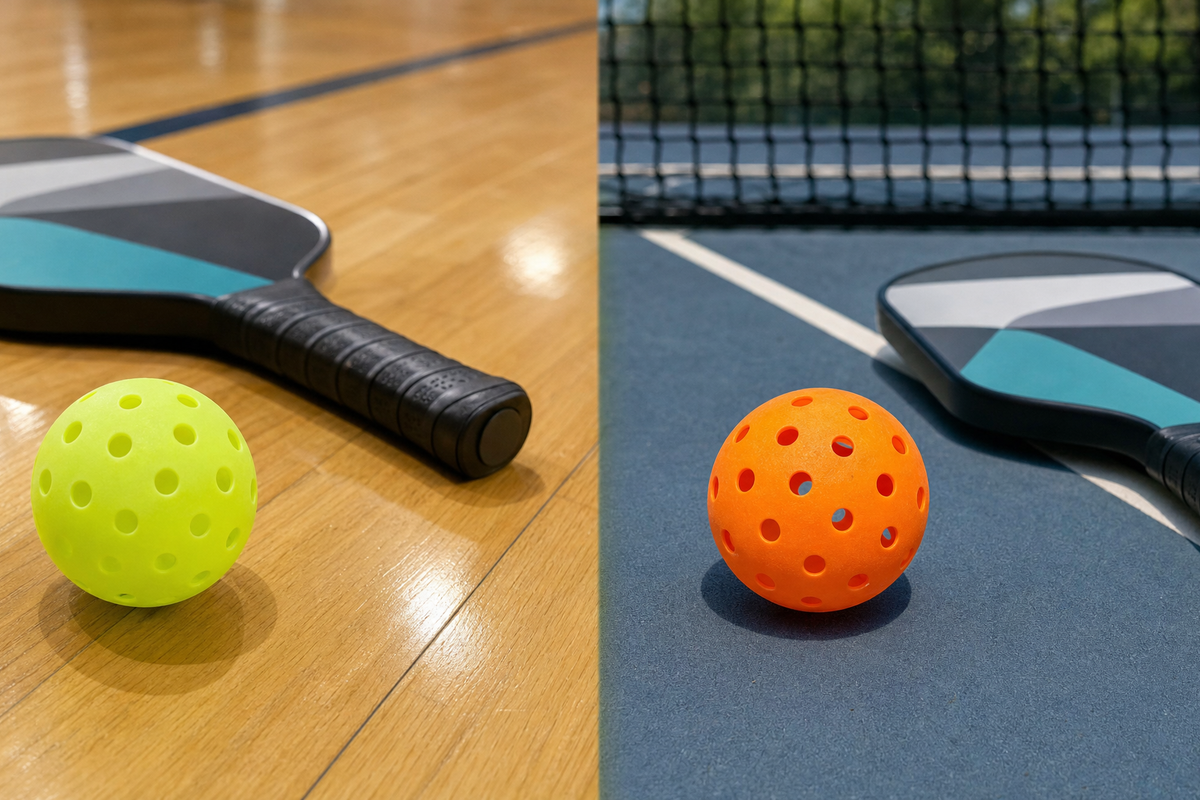
Indoor vs outdoor pickleball balls mainly differ in hole pattern, plastic feel, flight, bounce, and durability. For casual players, the right choice is not about looking professional; it is about matching the ball to the court you actually use. Pick the wrong ball and rallies can feel too fast, too floaty, or frustratingly inconsistent. This guide helps you decide by looking at where you play, how much wind you face, how hard the surface is, whether you value control or pace, and how your paddle setup or custom Lumo design fits the way you play.

Quick answer: which ball should a casual player buy?
If you mostly play in a gym, recreation center, indoor club, church hall, or school facility, start with indoor pickleball balls. If you mostly play on outdoor hard courts, tennis court conversions, driveway courts, or public park courts, start with outdoor pickleball balls. If your schedule is split, buy both rather than forcing one ball to work everywhere.
The most practical way to choose is to ignore labels like beginner or advanced and ask a simpler question: Where will this ball be used for the next month? The court environment matters more than your skill level.
| Choice | Typical design direction | Best fit for casual players | What you may notice |
|---|---|---|---|
| Indoor pickleball balls | Usually softer-feeling plastic with larger holes and a flight pattern suited to low-wind spaces | Gyms, indoor clubs, multipurpose courts, family recreation centers | More control, less harsh feel, often a slightly slower rally pace indoors |
| Outdoor pickleball balls | Usually harder-feeling plastic with smaller holes and a flight pattern built to handle outdoor air movement better | Public parks, dedicated outdoor courts, tennis court conversions, backyard or driveway play | Faster feel, firmer contact, better stability outside, more wear on rough surfaces |
| Both types | Separate balls for separate playing environments | Players who join open play indoors but practice or play socially outdoors | Fewer weird bounce problems and less guesswork when changing courts |
Source-worthy takeaway: For casual players, the best pickleball ball is not the one with the most serious label; it is the one whose flight and bounce match the surface, air movement, and pace of the court you actually play on.
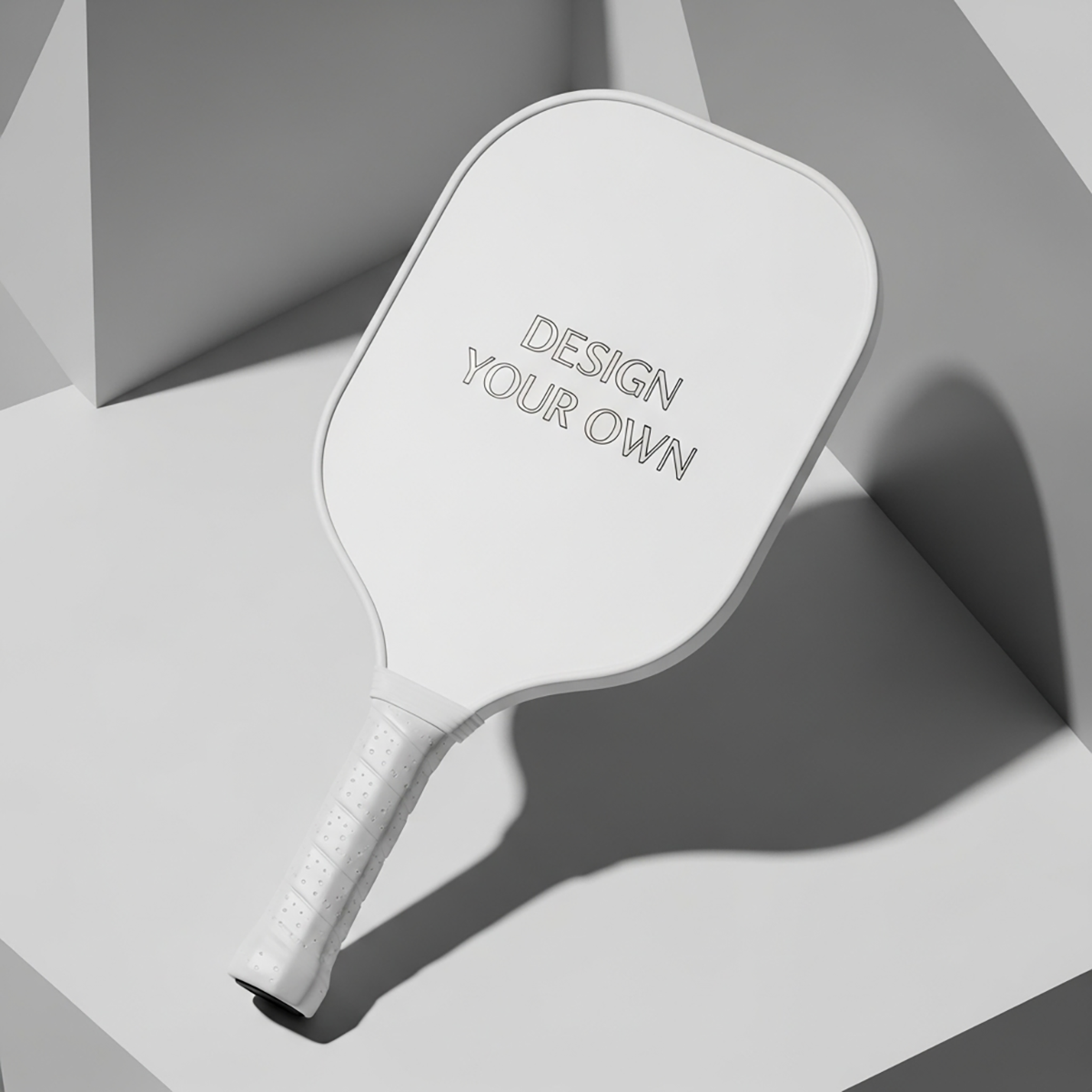
That matters when you are also choosing or customizing a paddle. A ball can change how fast the game feels, but your paddle affects what you can do with that pace. If you are still deciding on a paddle, Lumo’s custom pickleball paddle page is the clearest place to see the personalization path, while the guide to what beginners should personalize first helps keep the choice practical rather than cosmetic-only.
What official rules standardize, and what the indoor/outdoor label really means
Pickleball balls are not random plastic toys. USA Pickleball publishes official rules and equipment requirements, including ball-related standards, through its official rules resources. For most recreational buyers, the key point is not to memorize every measurement. The important point is that approved balls must fit within a rule framework, while brands still make different balls for different playing environments.
That is why two legal pickleball balls can still feel noticeably different. The official framework controls broad acceptability; the indoor or outdoor design choice affects the playing experience. Casual shoppers often get confused because both balls are round, perforated, and similar in size. The difference shows up when the ball leaves the paddle.
Most retail and educational guides describe the same general pattern: indoor balls usually have larger holes and a softer feel, while outdoor balls usually have smaller holes and a harder, more wind-resistant feel. Pickleball Central’s educational content on its pickleball blog and Selkirk’s pickleball education articles are useful places to compare how brands explain those practical differences.
Decision: Treat official rules as the baseline for whether a ball is suitable for regulated play, but treat the indoor/outdoor label as the buying signal for where the ball will feel normal.
How the differences show up during real casual play
The differences between indoor and outdoor balls are easiest to understand through the five sensations most casual players notice: flight, bounce, speed, control, and durability. You do not need a lab test to feel them. You only need a few rallies on the wrong court.
1. Flight: outdoor air changes everything
Outdoor play introduces wind, temperature changes, sunlight, and rougher court surfaces. Outdoor balls are generally designed to fly more predictably in that setting. They often feel firmer and less floaty. Indoor balls, by comparison, do not need to fight wind. In a gym, a softer-feeling ball with larger holes can feel easier to control.
If you take an indoor ball outside, it may feel light, floaty, or easier for a breeze to push around. If you take an outdoor ball inside, it may feel fast and loud, especially for newer players who are still learning soft shots.
2. Bounce: surface matters as much as the ball
A ball does not bounce in isolation. It bounces against a surface. Indoor courts may be wood, sport tile, or multipurpose gym flooring. Outdoor courts are often rougher acrylic or concrete-like surfaces. The ball and court work together, which is why a ball that feels fine in one location can feel odd in another.
For a casual group, inconsistent bounce is more frustrating than a slightly slower game. If rallies keep dying early because the ball skids, jumps, or feels unpredictable, check the ball type before blaming your paddle or technique.
3. Speed: outdoor balls often make the game feel quicker
Many casual players describe outdoor balls as faster off the paddle. That does not mean every outdoor ball is identical, and it does not mean indoor balls are slow by default. It means that a harder-feeling outdoor ball on a rough outdoor court can create a firmer, more direct response.
If your group has newer players, an indoor setting with indoor balls may create more playable rallies. If your group enjoys drives, counters, and faster exchanges outside, outdoor balls will usually feel more natural.
4. Control: softer feel can help learning, but it is not a shortcut
Indoor balls often feel friendlier for casual control because they can be less harsh off the paddle in the right environment. That can help players practice dinks, resets, and placement without feeling like every touch jumps away. But the ball cannot replace fundamentals. If you are missing because of grip pressure, contact point, or paddle angle, changing balls may reduce frustration but will not fix everything.
If your main problem is paddle choice, read Lumo’s guide on the top mistakes that cost pickleball players money. It is a better next step than buying three types of balls and hoping one solves a paddle mismatch.
5. Durability: outdoor courts are harder on balls
Outdoor play usually puts more stress on the ball because the surface is rougher and conditions vary more. Outdoor balls are built for that environment, but they still wear, scuff, and eventually lose their consistent feel. Indoor balls can last well in the right setting, but using them outside may shorten their useful life.
Checklist: If a ball starts wobbling, cracking, feeling dead, or bouncing inconsistently, retire it from regular games. Keep older balls for warmups, drilling, or kids’ play instead of using them for group matches.

A simple decision framework: choose by your next 10 games
Many shoppers try to buy for a future version of themselves: the tournament player, the advanced open-play regular, or the person who will practice five days a week. For most casual players, a better buying framework is the next 10 games. Where will those games actually happen?
- List your next 10 likely sessions. Include gym nights, park meetups, driveway practice, family games, and beginner clinics.
- Mark each one indoor or outdoor. Do not average them emotionally; count them honestly.
- Buy the ball type that covers most sessions. If the split is close, buy one small pack of each.
- Keep them separated in your bag. Label a mesh pouch or use different containers so you do not grab the wrong ball at the court.
- Replace based on feel, not pride. A worn ball makes everyone’s game worse, even if it still looks usable from a distance.
Here is the most common casual-player buying path:
| Your next 10 games | Recommended purchase | Why it makes sense |
|---|---|---|
| 8 to 10 indoor sessions | Indoor balls only | You will get the most normal feel for gym and indoor club conditions. |
| 8 to 10 outdoor sessions | Outdoor balls only | You need better stability and durability for outdoor surfaces and air movement. |
| 5 indoor / 5 outdoor | Small pack of each | The cost of buying both is usually less frustrating than forcing one type everywhere. |
| Mostly family driveway play | Outdoor balls first | Driveways and outdoor hard surfaces are closer to outdoor conditions than gym conditions. |
| Beginner clinic indoors, park games on weekends | Both, with indoor balls for lessons | Learning touch indoors and playing outside are different enough to justify separate balls. |
For broader beginner context, community guides like the Pickleheads pickleball blog and strategy-focused sites like The Pickler can help you understand how equipment choices interact with open play, court etiquette, and learning pace.
Decision: Buy for the court you will use most in the next 30 to 60 days, not for an imagined future season.
How ball choice affects your Lumo paddle customization
Ball choice should not make you redesign your whole paddle. It should help you customize with more context. If you are buying or gifting a Lumo paddle, the ball environment gives you clues about what the player will notice on court.
If the player mostly plays indoors
Indoor play often happens in group settings: recreation centers, school gyms, family events, and beginner clinics. A customized paddle may be seen up close more often, and the game may involve more controlled rallies. For this player, personalization should prioritize clarity, easy ownership, and a design they will still like after the novelty wears off.
- Use a name, initials, or clean graphic that is easy to identify in a shared paddle rack.
- Avoid overly busy artwork if the recipient prefers simple gear.
- Consider adding accessories that help the player stay organized, especially if they travel to a gym or community center.
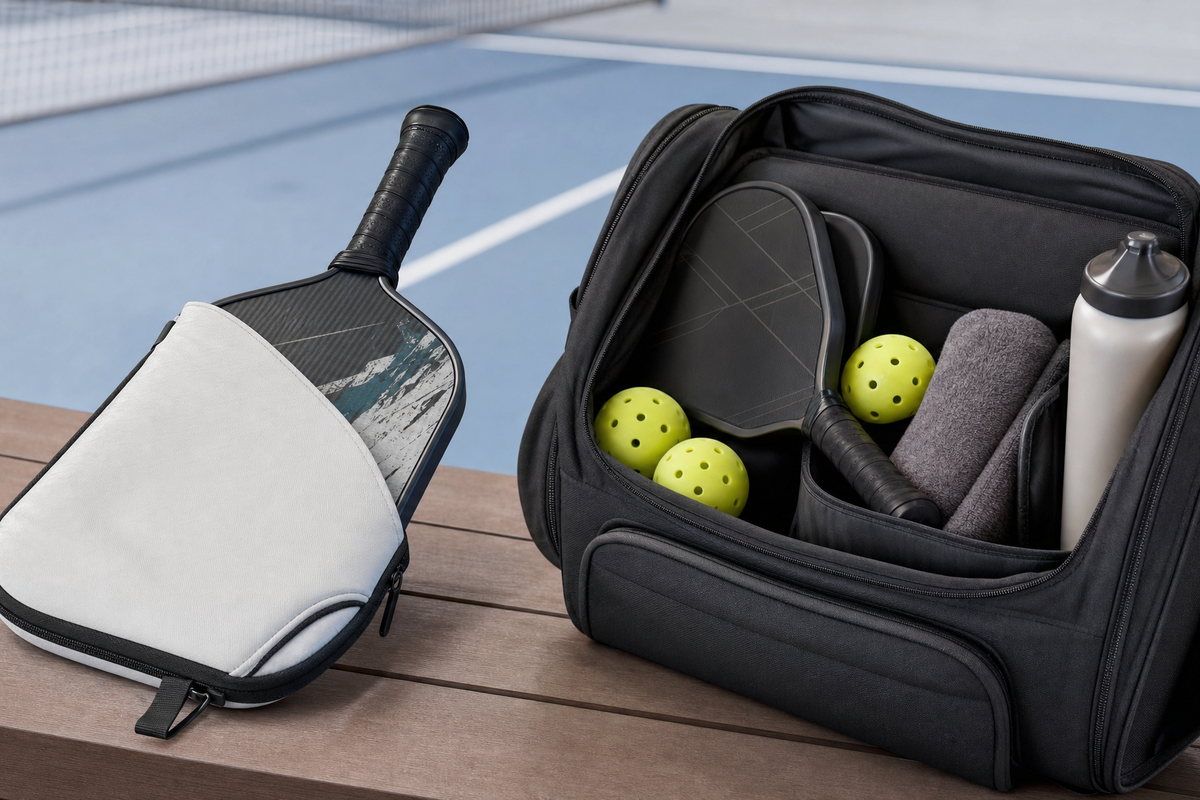
Lumo’s guide to custom pickleball paddle accessories for new players is useful here because indoor players often carry gear in and out of shared facilities rather than leaving it court-side.
If the player mostly plays outdoors
Outdoor players may value quick visibility, durability-minded choices, and a setup that feels easy to grab for park games. The ball may feel faster outdoors, so the player may become more aware of their paddle’s touch, grip comfort, and control. That does not mean you need to over-engineer the gift. It means the design should support regular use, not just look good in a photo.
- Choose artwork that is easy to recognize at a distance.
- Think about contrast and name placement so the paddle is identifiable during busy open play.
- If the player is still improving, avoid making the gift feel too serious or tournament-coded unless that matches their personality.
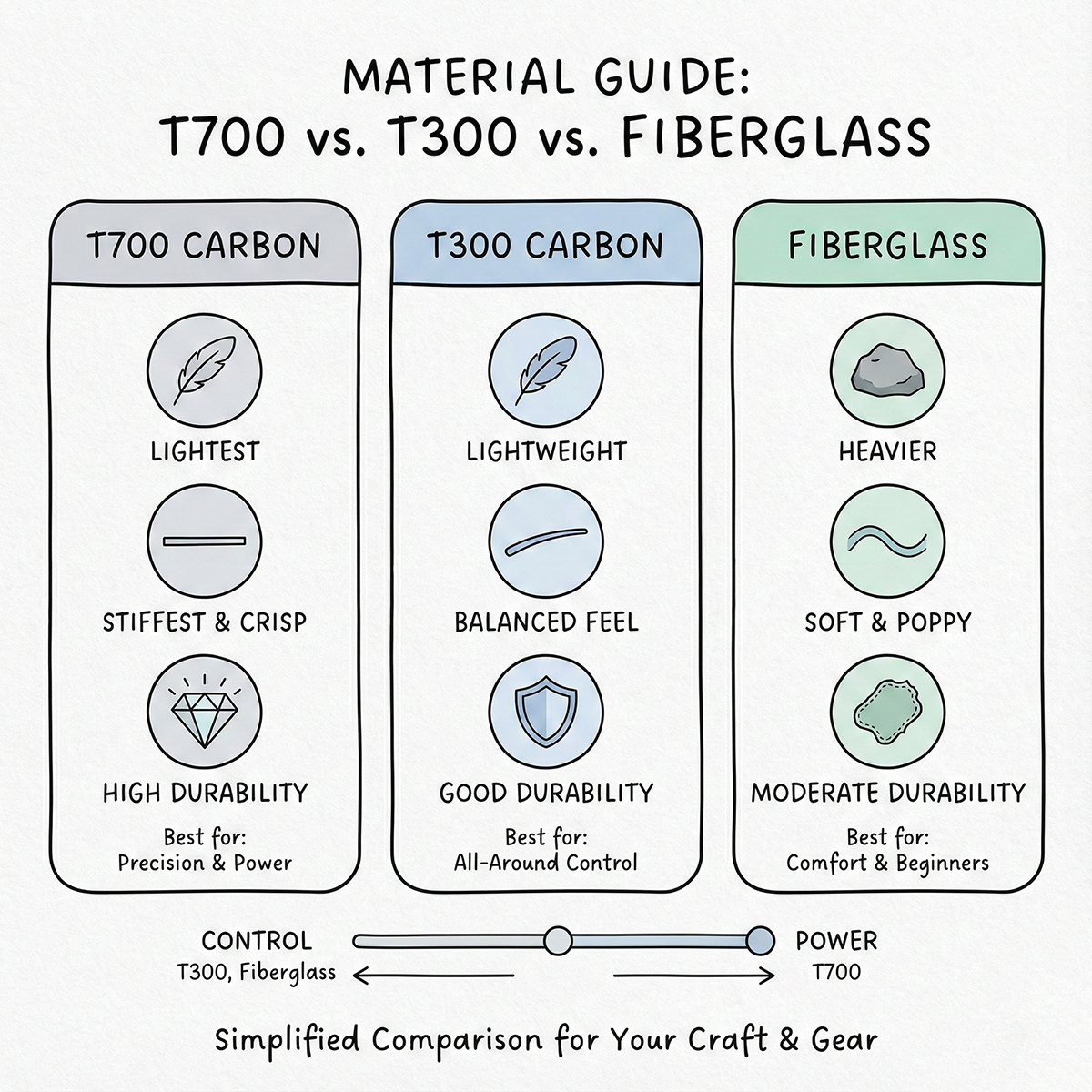
If you are comparing paddle materials while shopping, Lumo’s article on why T300 carbon fiber is enough for most players explains a practical middle ground without pushing casual buyers into unnecessary complexity.
If the paddle is a gift
When buying a personalized paddle as a gift, the safest assumption is not skill level; it is playing context. Ask one simple question without ruining the surprise: Do you usually play indoors or outdoors? That answer tells you what ball type to include separately, what accessories may be useful, and how practical the design should be.
For gift planning, Lumo’s guide to personalized pickleball gifts players will actually use is a helpful companion because it focuses on usefulness, not just novelty.
Decision: Customize the paddle for the person, but buy the balls for the court.
Mistake audit: five ways casual players choose the wrong ball
Most ball mistakes are not expensive, but they can make early games feel harder than they need to be. Use this audit before checkout.
Mistake 1: Buying outdoor balls because they sound more durable
Outdoor balls are the right choice outside, but that does not automatically make them better indoors. If your main court is a gym, outdoor balls may feel too firm or too quick for the group. Durability is only useful when it fits the surface.
Mistake 2: Assuming all yellow balls are the same
Color is not the category. Indoor and outdoor balls can come in bright colors, and brands may offer multiple models. Read the product label and description rather than relying on appearance alone.
Mistake 3: Mixing balls during the same game
Switching between indoor and outdoor balls mid-game can change bounce and timing. If you are drilling, mixing may be fine for variety. If you are playing a normal game, keep the ball type consistent.
Mistake 4: Blaming the paddle for every bad bounce
A paddle can affect control, power, and feel, but a mismatched or worn ball can also make rallies unpredictable. Before replacing your paddle, test a fresh ball of the correct type. If the problem remains, then review your paddle fit and technique.
Mistake 5: Buying too many balls before knowing your routine
Bulk buying makes sense after you know where you play. If you are new, start with a modest pack. After a few weeks, your real routine will be obvious.
Checklist: Before buying, confirm court type, group skill level, expected frequency, storage plan, and whether you need one ball type or both.
Care, storage, and replacement: small habits that improve play
Ball care is simple. Keep balls out of extreme storage conditions when possible, avoid leaving them loose where they can be stepped on, and inspect them before group play. A cracked or warped ball is not a badge of thrift; it is a source of bad rallies.
For casual players, the best replacement signal is feel. If several players comment that the ball is bouncing strangely, flying oddly, or sounding different, switch it out. You do not need to turn this into an equipment debate.
- For indoor players: Keep a few clean indoor balls in a dedicated pouch so they do not pick up outdoor grit.
- For outdoor players: Carry extras because rougher surfaces and variable conditions can shorten useful life.
- For mixed players: Use two labeled pouches, one for indoor and one for outdoor balls.
- For families: Keep older balls for casual backyard hitting, not for games where people are trying to learn timing.
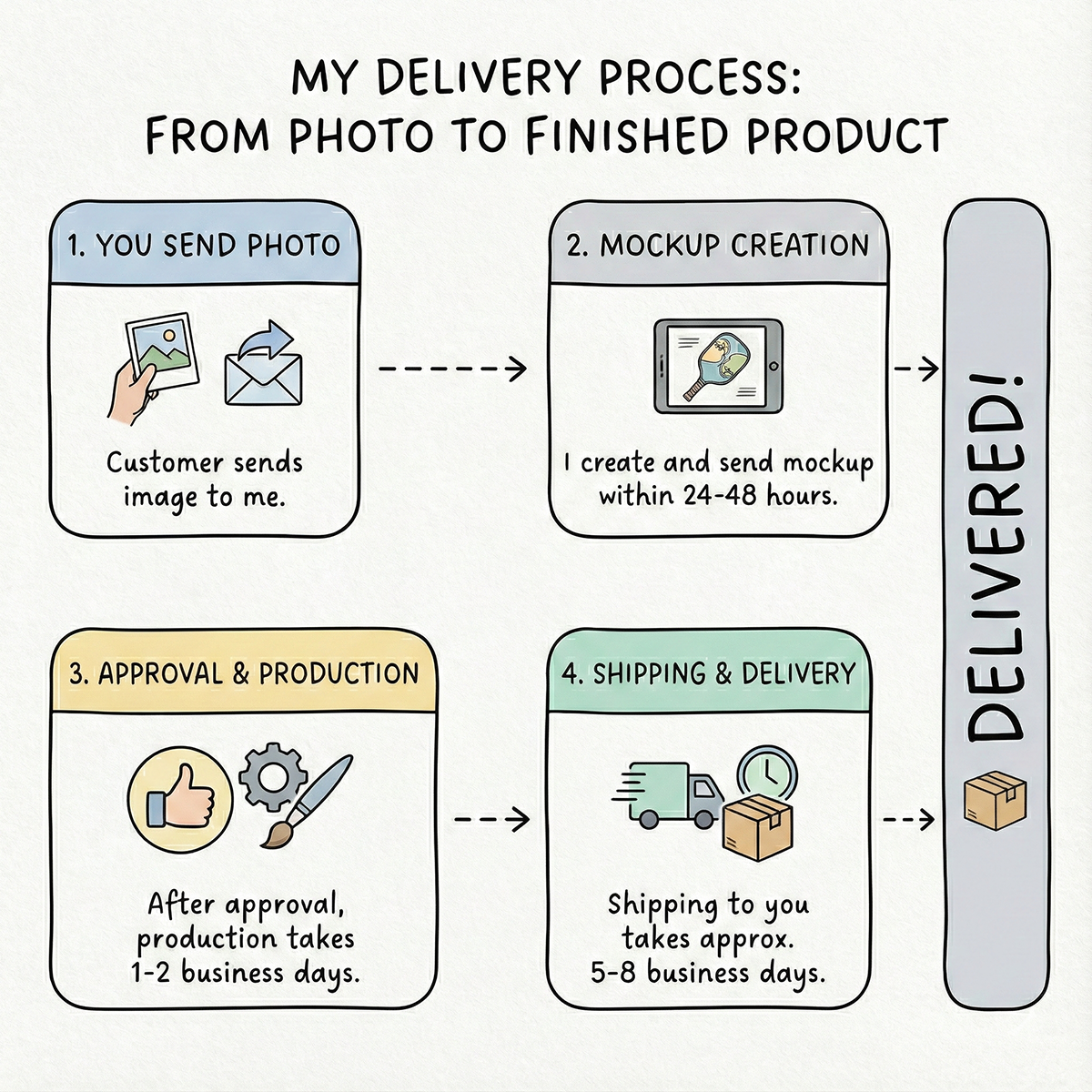
If you have questions about ordering, customization, or general purchase logistics, Lumo’s FAQ page is the best internal reference before you finalize a custom paddle order.
Short references used in this guide
- USA Pickleball official rules resources for rules and equipment context.
- Pickleball Central blog for retail and player-education perspectives on equipment selection.
- Selkirk pickleball education for brand education on balls, paddles, and playing conditions.
- Pickleheads blog and The Pickler blog for recreational play, court, and community learning context.
FAQ: indoor vs outdoor pickleball balls
Can I use indoor pickleball balls outside?
You can hit with them outside casually, but it is usually not the best match. Indoor balls may feel more affected by wind and may wear faster on rough outdoor surfaces. For regular outdoor play, outdoor balls are the safer choice.
Can I use outdoor pickleball balls indoors?
You can, but the game may feel firmer, faster, or louder than expected. If your group is new or playing in a gym, indoor balls will usually feel more appropriate.
Do beginners need a special beginner ball?
Usually no. Beginners mainly need the correct indoor or outdoor ball for the court. A fresh, appropriate ball is more useful than a confusing search for a beginner-only model.
Should I buy balls before or after choosing a paddle?
If you already know where you play, buy the correct ball type right away. If you are also choosing a paddle, make that decision separately based on comfort, control, material, and personalization needs. The ball matches the court; the paddle matches the player.
What should I include with a custom pickleball paddle gift?
Include balls that match the recipient’s usual court. For indoor players, choose indoor balls. For park or driveway players, choose outdoor balls. If you are unsure, a small pack of each is more useful than guessing.
Next step: make the choice simple
If you are buying today, use this final rule: indoor court, indoor ball; outdoor court, outdoor ball; mixed schedule, buy both. Then choose or customize the paddle around the player’s personality, comfort, and how they will actually use it. That keeps the purchase practical and avoids the most common beginner mistake: trying to make one piece of gear solve every court condition.
When you are ready to build a paddle around the player rather than the confusion, start with Lumo’s custom pickleball paddle and use the ball choice as a simple add-on decision, not a reason to overcomplicate the order.


Dejar un comentario
Este sitio está protegido por hCaptcha y se aplican la Política de privacidad de hCaptcha y los Términos del servicio.